November 4, 2025
In the lead-up to World AIDS Day, the Almaty Regional Center for AIDS Prevention and Control, in collaboration with specialists from youth health centres operating within primary health care facilities, is conducting a series of information and awareness activities aimed at preventing HIV among young people.
In addition to HIV-related topics, the programme includes discussions on the prevention of sexually transmitted infections, as well as on adolescents’ mental and sexual and reproductive health.
The main objective of these activities is to prevent HIV infection, promote accurate and informed understanding among young people of HIV and other infectious diseases, and foster a responsible attitude towards personal health.
Special attention is given to outreach in remote districts of the region, where such meetings help expand knowledge and build health-conscious attitudes among school students.
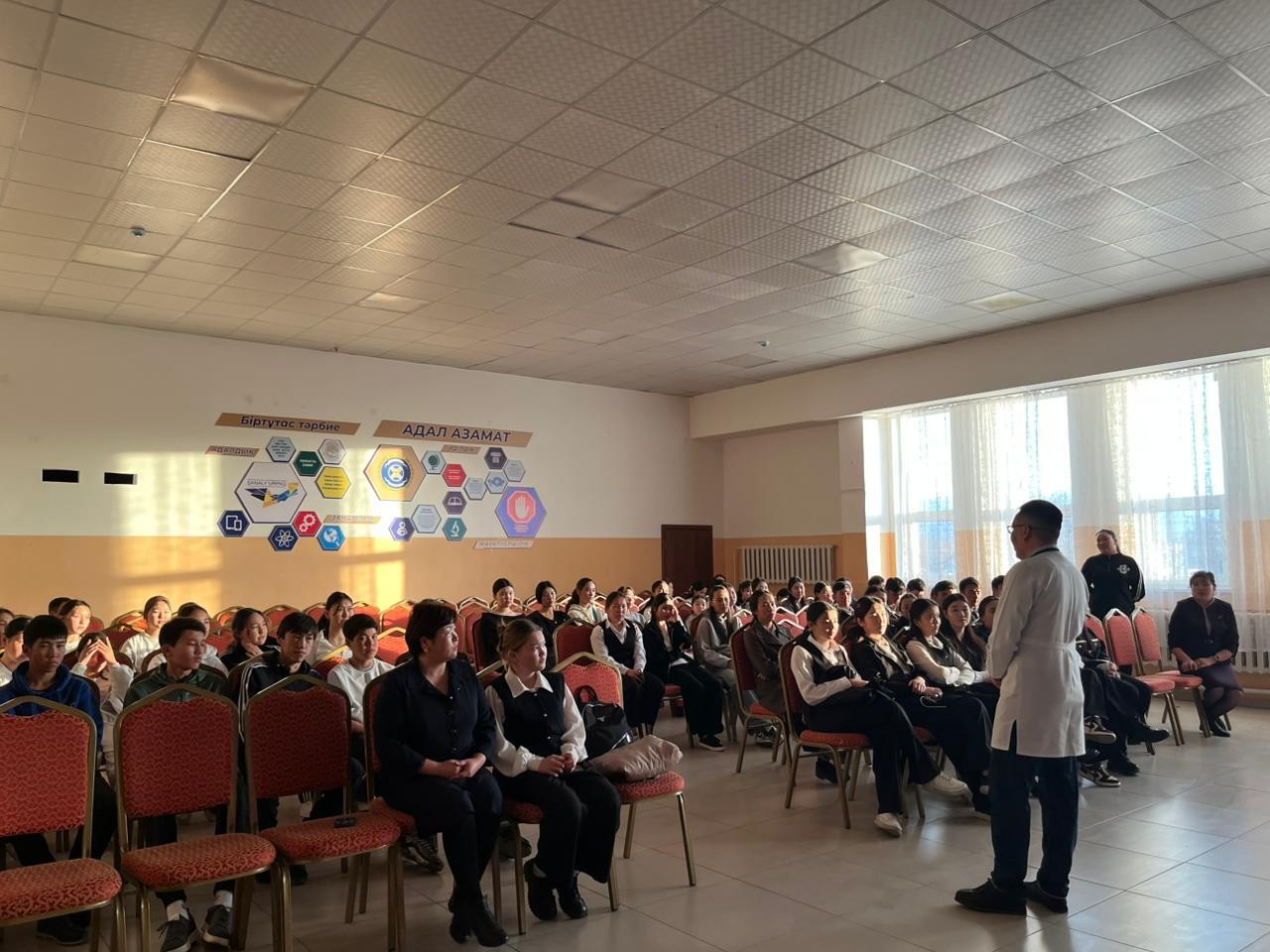
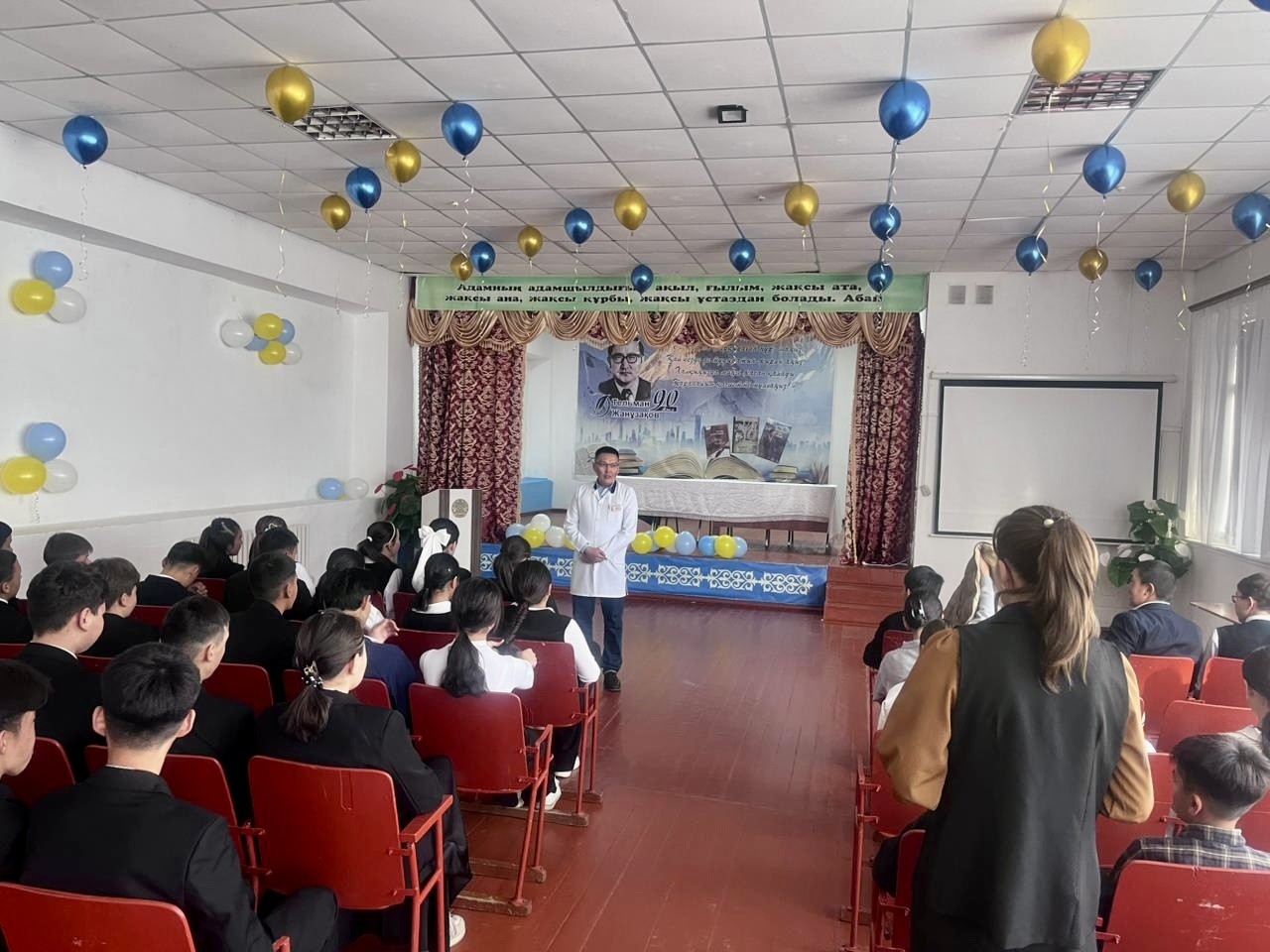
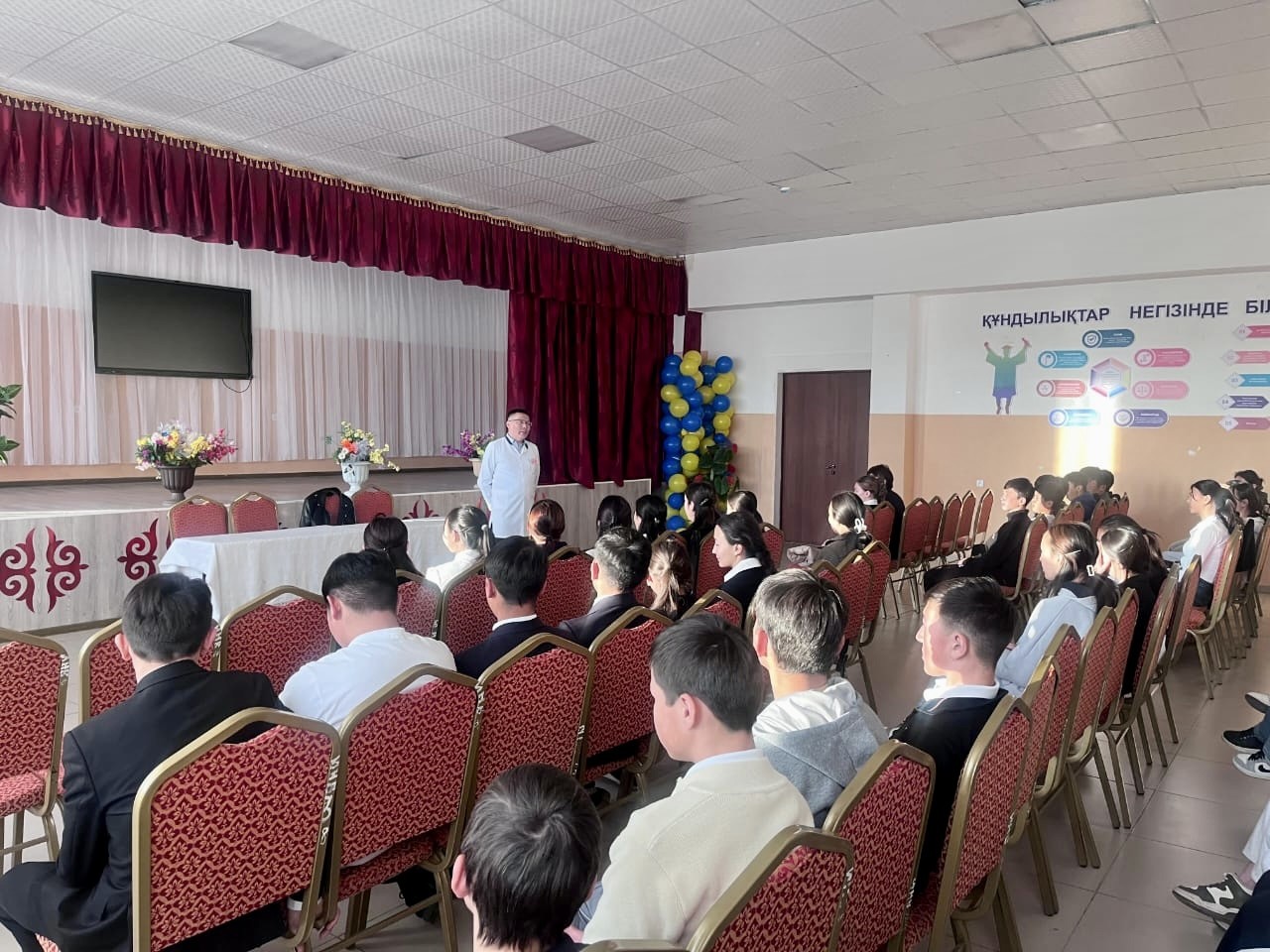
On 3 November 2025, in the remote Raiymbek district of the Almaty region, seminars were held in several villages for students in grades 8–11 from the T. Zhanuzakov, O. Zhandosov, B. Sokpakbayev (Gymnasium), and K. Shormanov schools under the theme “Youth for Health and a Future Free of HIV.”
The seminar was organized on the initiative of Ms. G. Kenessova, a methodologist from the district department of education, with the participation of Mr. N. Kasymov, epidemiologist of the Almaty Regional AIDS Center, and physicians from the Raiymbek District Central Hospital — obstetrician-gynecologist Dr. B. Seidakhmetova, psychiatrist-narcologist Dr. A. Turlybai, and healthy lifestyle promotion specialist Ms. S. Kukkuzova.
According to the experts, HIV and sexually transmitted infection prevention is particularly important among adolescents and young people, as this is the age when life values, behavioral patterns, and attitudes towards personal health are formed. Timely awareness-raising helps reduce infection risks, increase trust in health services, and strengthen young people’s understanding of sexual and reproductive health and mental well-being.
These outreach sessions help reinforce collaboration between the health and education sectors, raise adolescents’ awareness of HIV and STI risks, and enhance the capacity of teachers and health workers to communicate effectively with youth about health and safe behavior. Participants emphasized the practical value of such meetings and expressed readiness to continue cooperation within school and college-based prevention programmes.
all news »