November 3, 2025
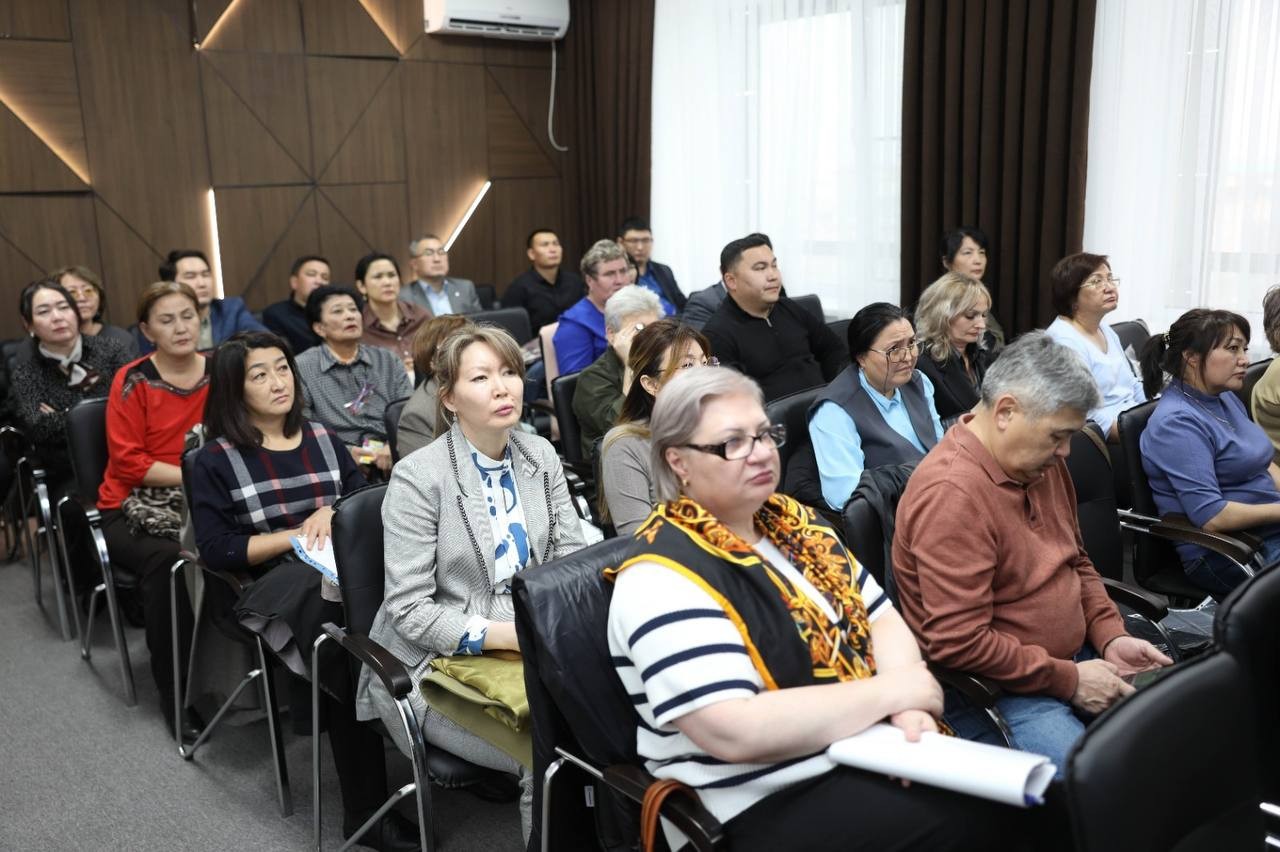
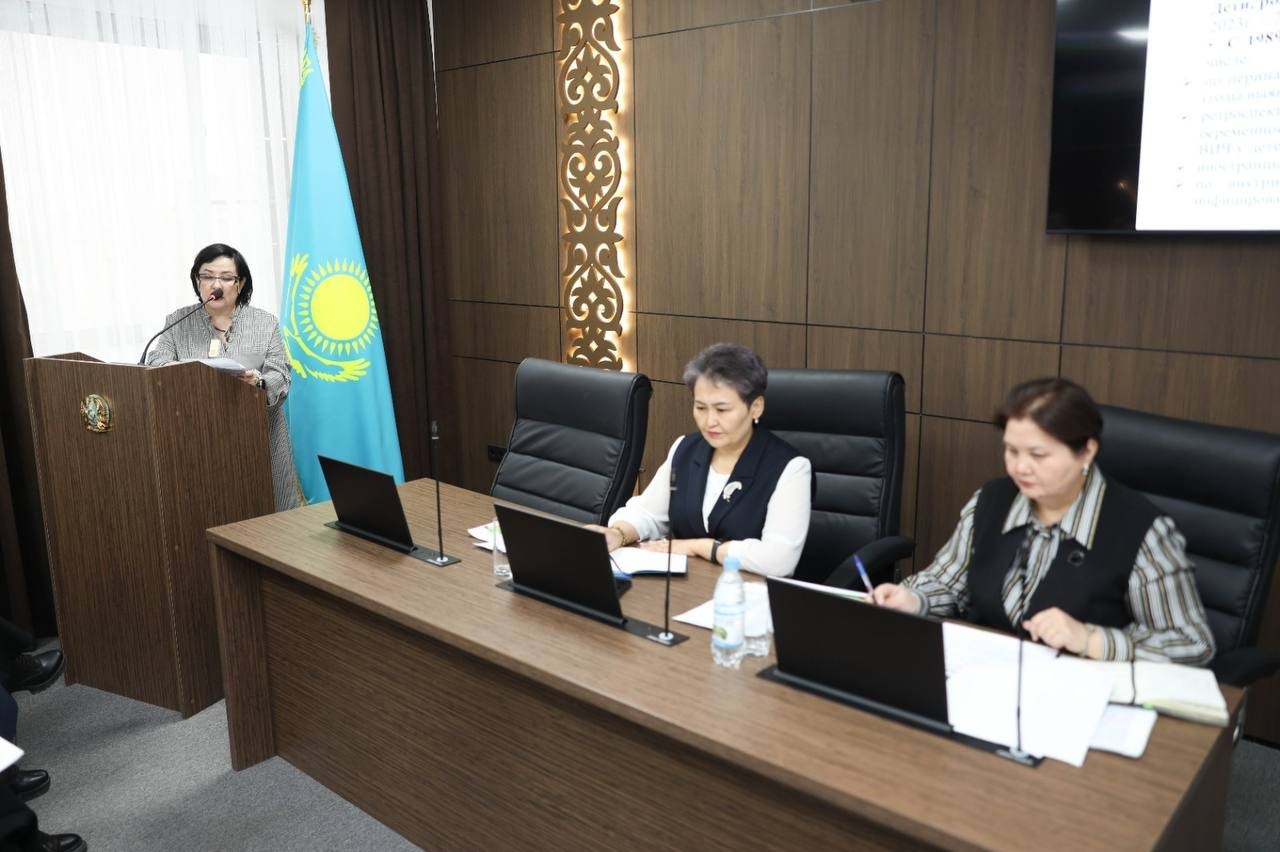
A medical and preventive council was held in Aktobe to review the outcomes for the first nine months of 2025, focusing on the prevention of vertical transmission of HIV.
Aliya Shapiyeva, Deputy Head for Medical Affairs of the Aktobe Regional Center for HIV Prevention, presented the report. She emphasized that timely diagnosis and the use of modern antiretroviral therapy regimens make it possible to virtually eliminate the risk of HIV transmission to newborns.
“Today, preventing the vertical transmission of HIV is one of the key priorities of our work. Thanks to timely diagnosis, up-to-date antiretroviral therapy regimens, and effective intersectoral collaboration among health institutions, we can almost completely prevent HIV infection in newborns. It is crucial that every woman knows her HIV status during pregnancy, registers for antenatal care in time, and receives the necessary support. The joint efforts of healthcare professionals, together with the awareness and responsibility of expectant parents, are the foundation for ensuring that children are born free from HIV,” noted Ms. Shapiyeva.
Health facilities across the region are implementing a comprehensive set of measures to prevent the vertical transmission of HIV through close cooperation among specialists — obstetricians and gynecologists, infectious disease physicians, neonatologists, pediatricians, and general practitioners. These measures include routine HIV testing for all pregnant women twice during pregnancy, provision of antiretroviral therapy at any stage of pregnancy, prophylaxis for newborns, and the promotion of safe infant feeding practices.
According to Orders of the Ministry of Health of the Republic of Kazakhstan No. ҚР ДСМ-6 of 26 January 2022 and No. ҚР ДСМ-156 of 7 December 2022, HIV testing of sexual partners of pregnant women is mandatory.
If HIV is detected in a partner, the pregnant woman is offered pre-exposure prophylaxis (PrEP) with antiretroviral medicines, which are provided free of charge and confidentially.
The prevention of vertical transmission of HIV remains one of the priority areas of national health policy. In the Aktobe region, systematic work is being carried out to ensure early detection, treatment, and follow-up of women living with HIV and their children. The results presented at the medical and preventive council confirm the effectiveness of ongoing measures and demonstrate a steady decline in the risk of vertical transmission of HIV.
all news »