June 30, 2026
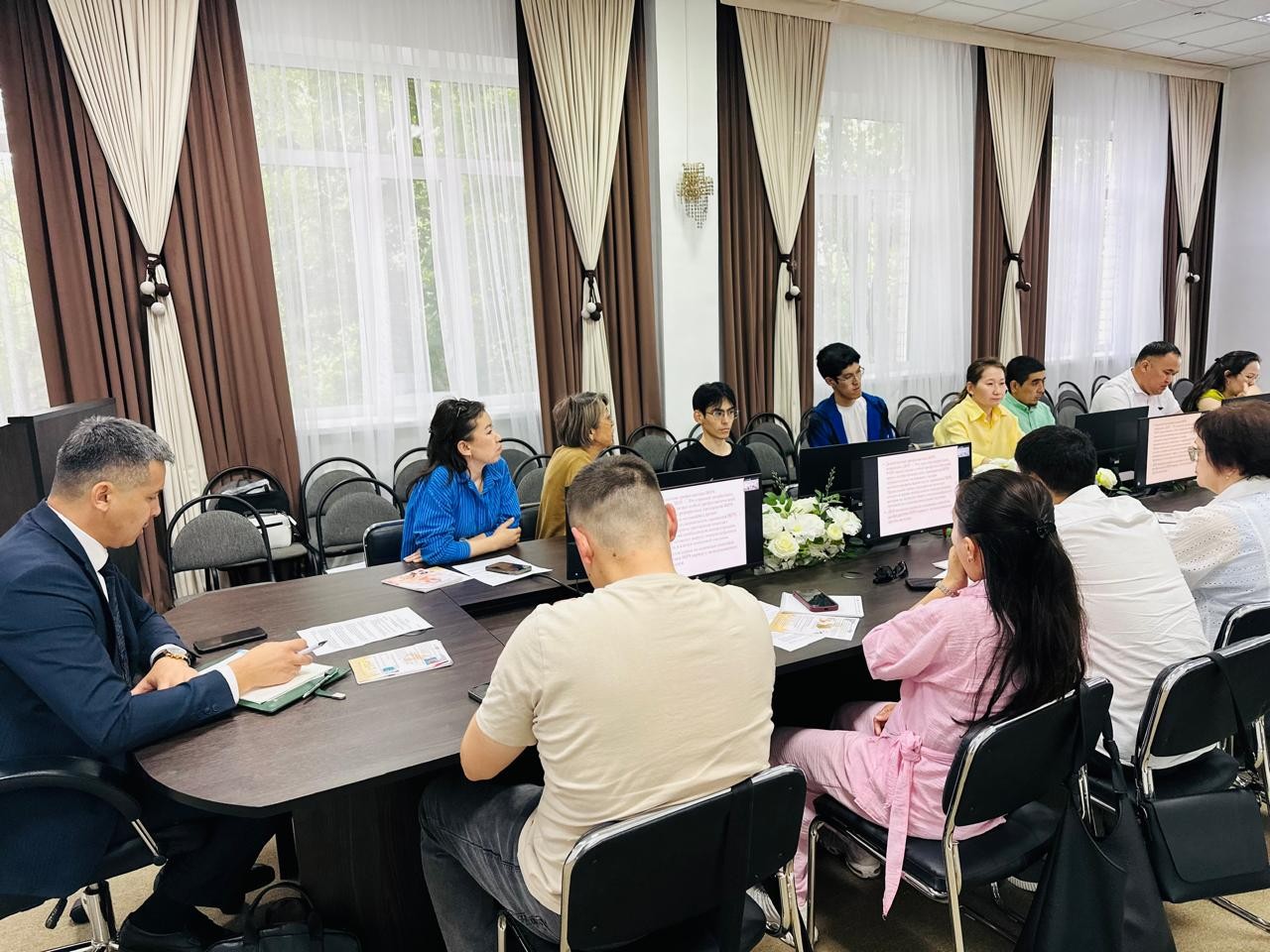
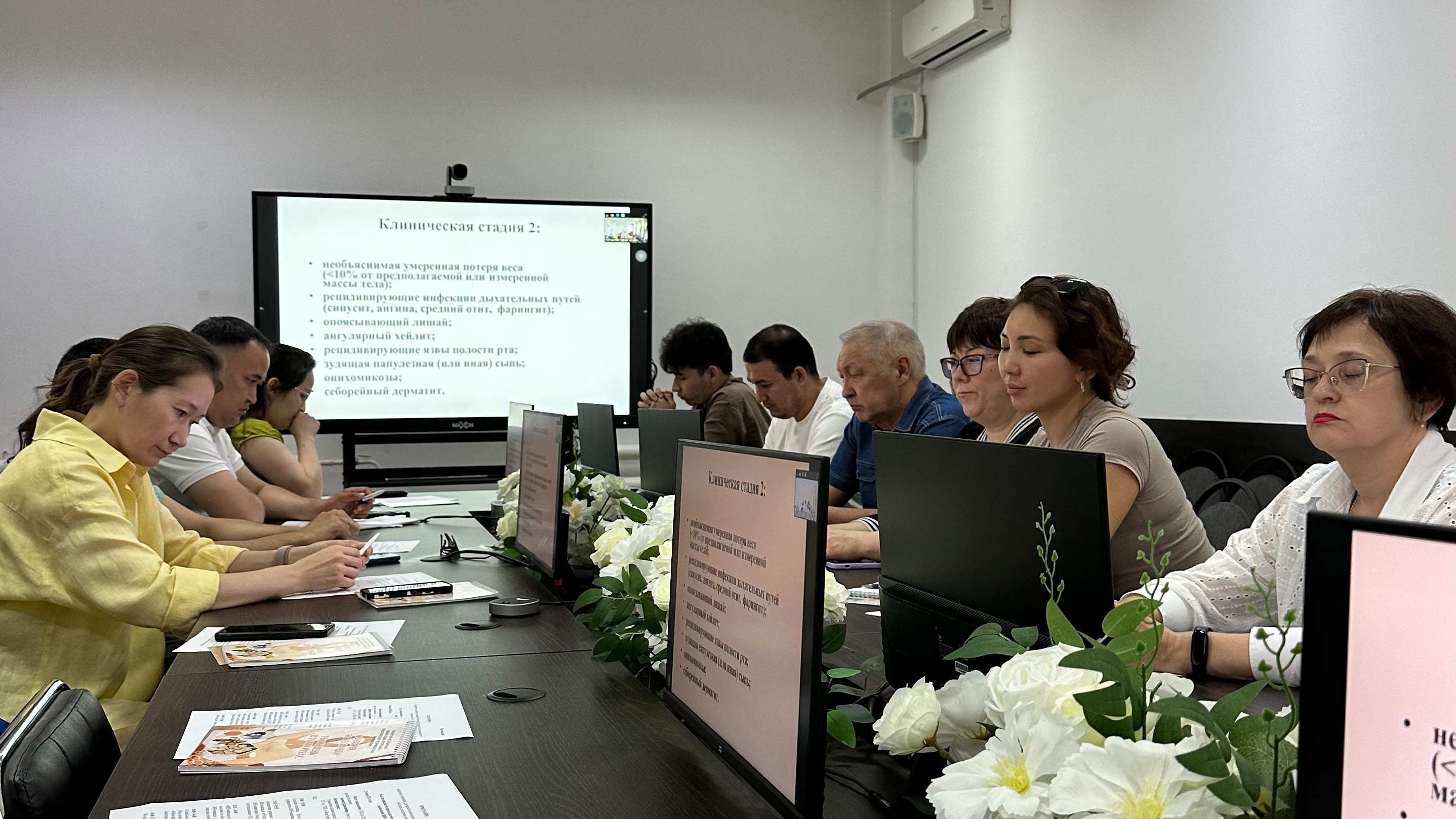
In accordance with the order of the Health Department of the West Kazakhstan Region, the West Kazakhstan Regional HIV Prevention Center organized a regional seminar for proctologists, surgeons, and specialists of male examination rooms. The seminar was held at the conference hall of the Regional Multidisciplinary Children’s Hospital. The event brought together specialists from public and private healthcare organizations in Uralsk, as well as healthcare professionals from district medical organizations who participated online.
The main purpose of the seminar was to improve healthcare professionals’ awareness of early HIV detection, strengthen interdisciplinary collaboration, and enhance the clinical vigilance of specialists providing medical care to patients with anorectal diseases.
During the seminar, participants were presented with data on the HIV epidemiological situation in the West Kazakhstan Region. The program also covered the characteristics of HIV detection among men who have sex with men (MSM), as well as the clinical manifestations of sexually transmitted infections that proctologists may encounter in their daily practice.
Particular attention was paid to the timely referral of patients for HIV testing when clinically indicated, patient referral pathways, and cooperation between healthcare organizations at different levels. Participants were introduced to clinical management algorithms for patients with suspicious clinical signs and discussed opportunities for collaboration between the HIV Prevention Center, proctologists, specialists of male examination rooms, and public and private healthcare organizations.
In addition, participants were introduced to the experience of cooperation between the HIV Prevention Center and a non-governmental organization implementing a Global Fund-supported project aimed at expanding access to HIV prevention services and HIV testing for key populations. The important role of intersectoral collaboration in improving the effectiveness of early HIV detection was also highlighted.
all news »