June 13, 2026
A seminar entitled "One Mistake - Big Consequences: The Preanalytical Stage of Collecting and Transporting Blood Samples for HIV Testing" was held in Shymkent, organized by the Department of Health.
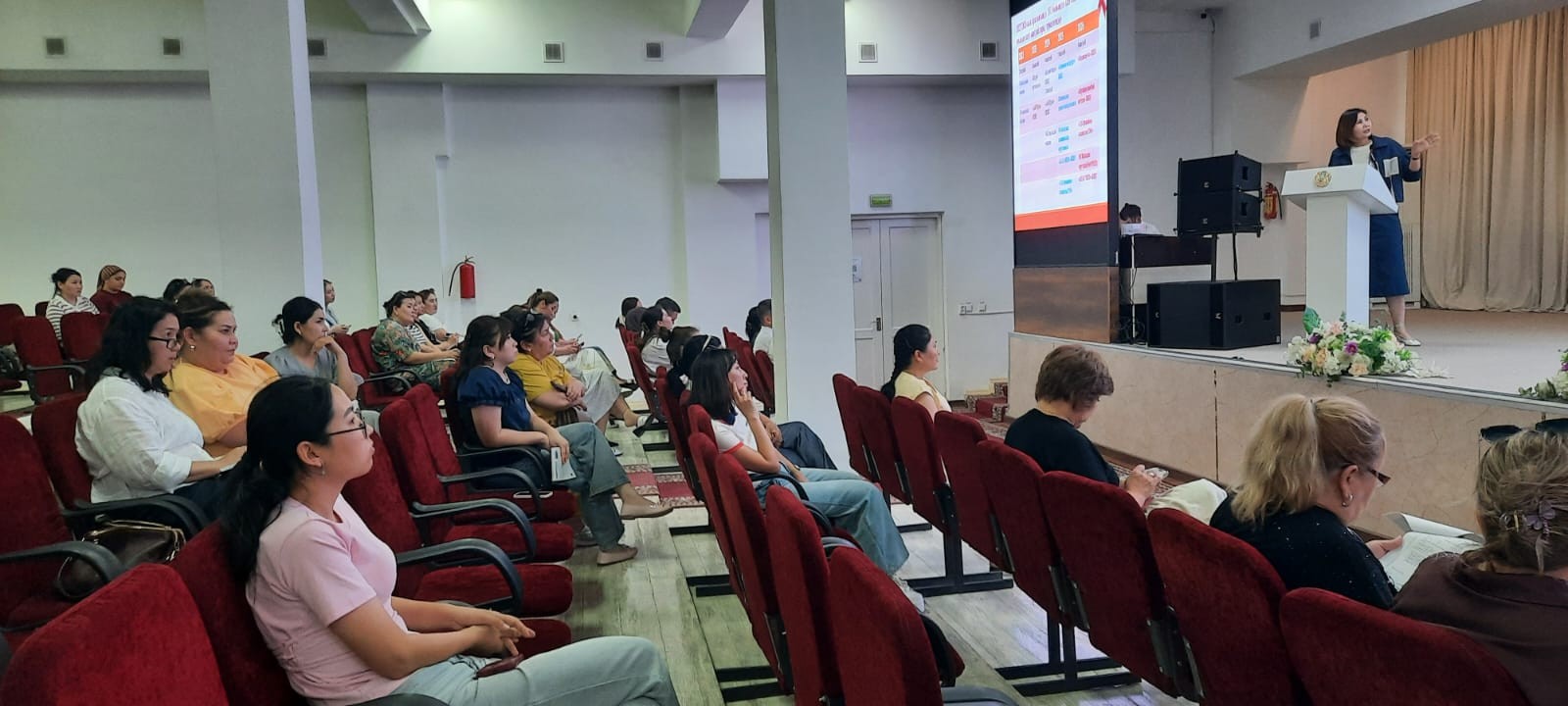
The seminar was attended by deputy chief physicians of the city's medical organizations, specialists responsible for HIV issues, and nurses from HIV blood collection offices (who work directly with the LIS K-LAB).
The purpose of the seminar was to familiarize the city with the epidemiological situation of HIV infection, improve the quality of HIV blood collection, adherence to blood sample storage and transportation rules (the preanalytical stage), and explain changes made to the LIS K-LAB laboratory information system.
The seminar presented information on the HIV epidemiological situation for the first five months of 2026, as well as errors and shortcomings made during the pre-analytical stage in medical organizations. In this regard, a video was shown, prepared to prevent errors in HIV blood sampling. During the discussion, participants were asked questions, which led to an examination and analysis of errors made during the blood sampling procedure.
Furthermore, specialists emphasized the importance of joint monitoring of pregnant women living with HIV and their children, carried out by staff from the AIDS Center and primary healthcare facilities.
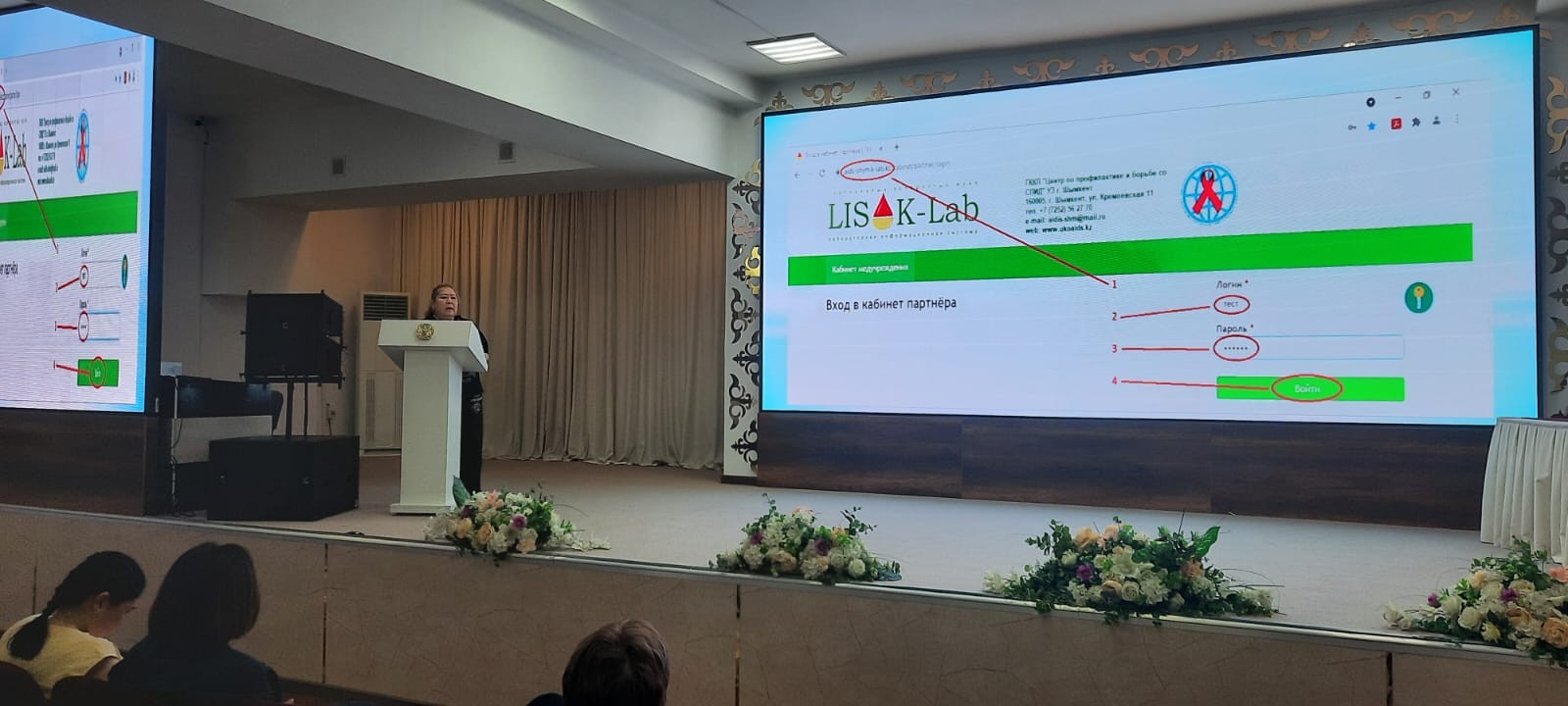
Clarifications were also provided on changes made to the LIS K-LAB laboratory information system, designed for interaction with medical organizations. Participants were given detailed instructions on how to log in and out of the system, requirements for entering patient data, specifying the blood sample delivery date, submitting requests for laboratory tests, and the rules for correctly entering ICD-10 codes.
At the conclusion of the seminar, expert R.N. Abieva emphasized:
"I believe that today's seminar achieved its goal. I recommend that healthcare workers prevent violations of the pre-analytical stage in medical organizations, develop internal regulations, conduct regular training for employees who receive and register samples, conduct internal investigations into each such incident, and develop and approve a memo on compliance with pre-analytical stage requirements."
- Akhmetova, a nurse at Shymkent City Medical Organization No. 6, expressed her gratitude, noting: "Since I work directly with blood samples, today's seminar provided me with a wealth of valuable information. The video clearly demonstrated and thoroughly analyzed the mistakes made during blood collection. We were also reminded of the rules for storing and transporting blood samples and helped better understand how to use the updated laboratory information system, LIS K-LAB. I am confident that applying the knowledge I gained in my work will contribute to improving my professional skills and the quality of my work."
all news »