July 30, 2026
During the first half of 2026, the Regional HIV Prevention Center achieved significant results in the prevention, diagnosis, and treatment of HIV infection.
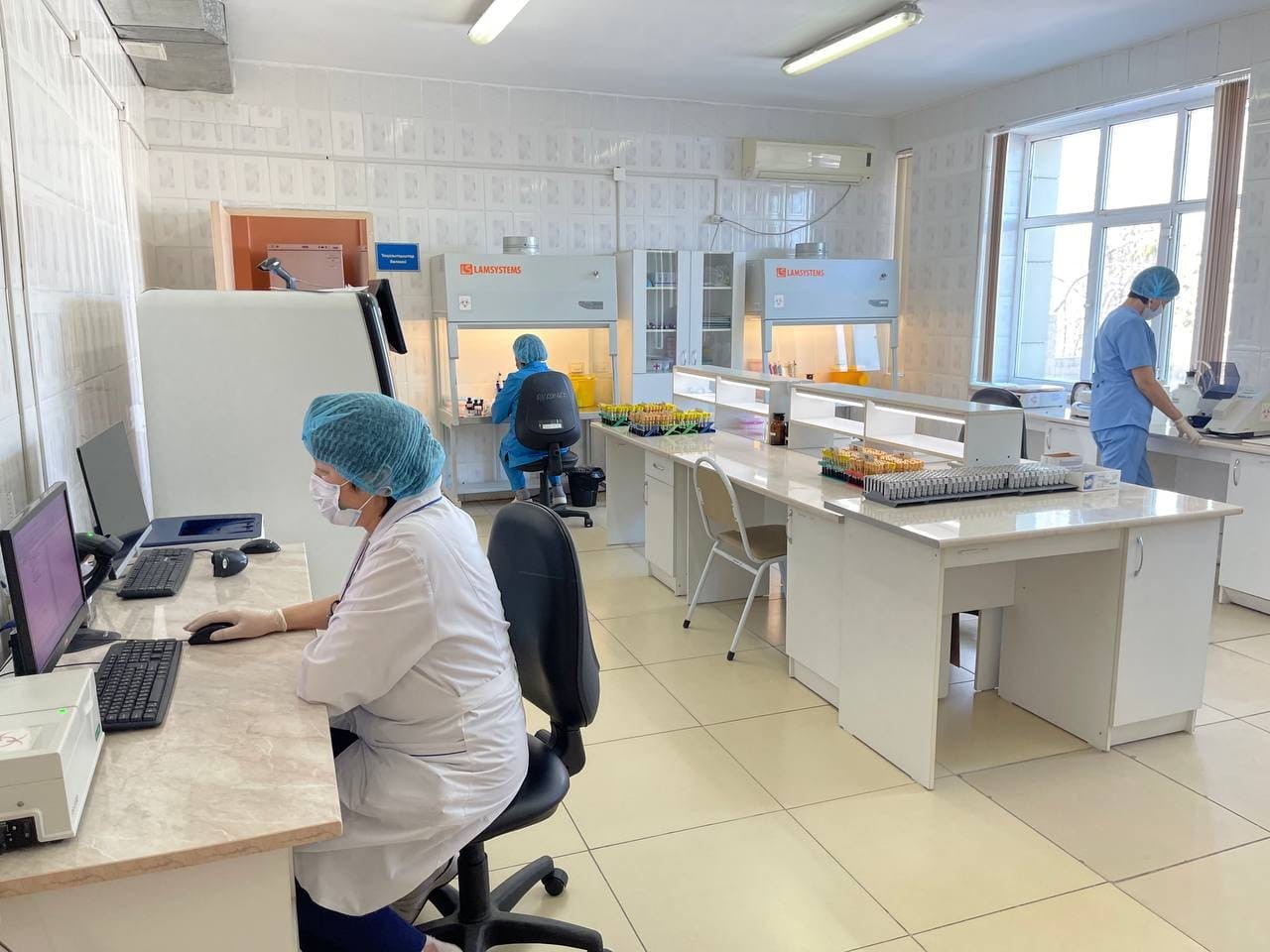
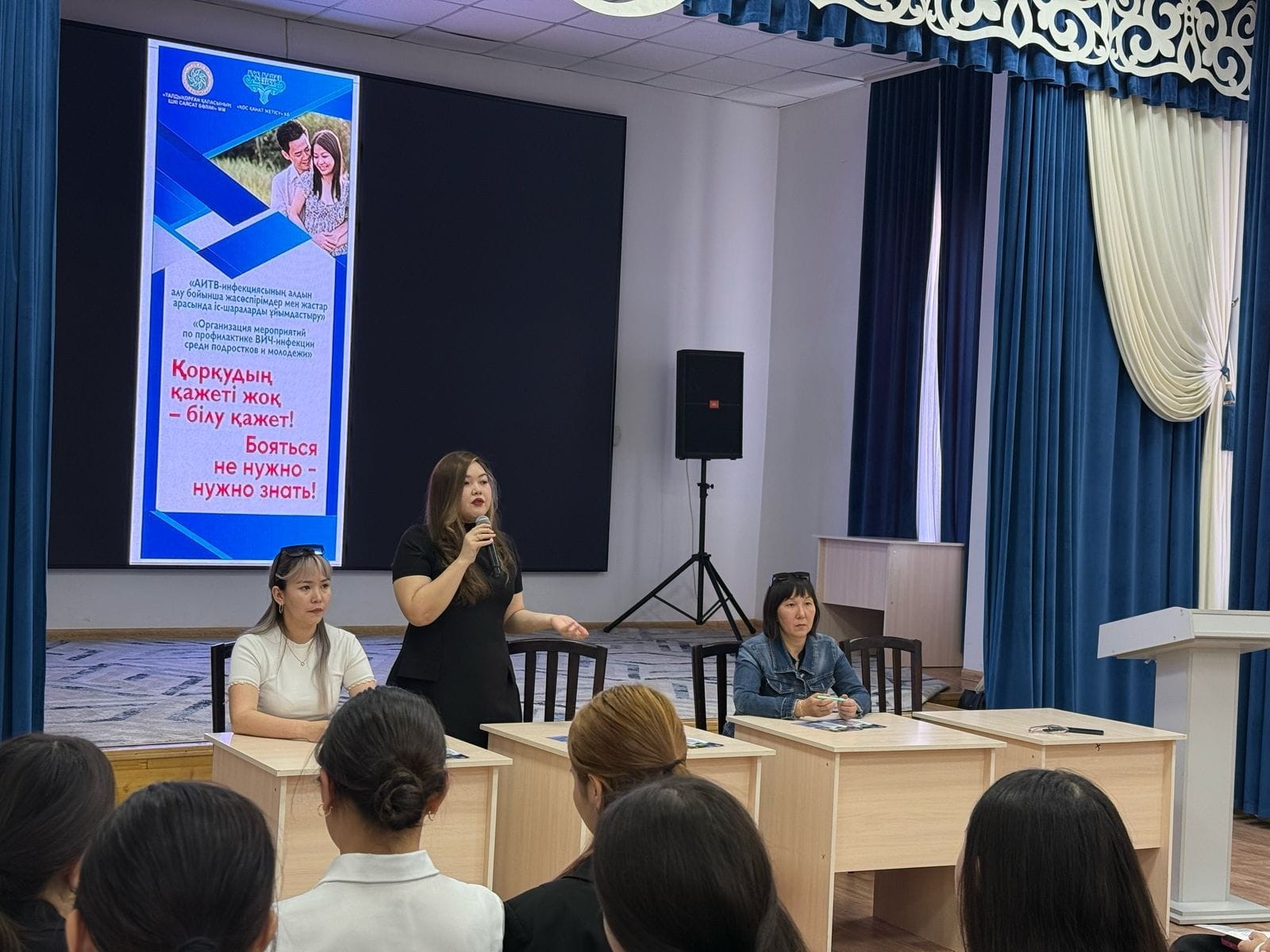
Over the six-month period, the Center’s specialists conducted 139 HIV awareness and prevention activities, reaching more than 7,500 residents of the region. Educational campaigns were carried out in educational institutions, healthcare facilities, government organizations, and workplaces. In addition to lectures, consultations, and the distribution of educational materials, an information campaign promoting HIV self-testing was launched.
According to the Epidemiology Department, one of the key achievements of the first half of 2026 was the reduction in HIV incidence. Compared with the same period last year, the number of newly diagnosed HIV cases decreased by 1.6 times. Furthermore, no new HIV infections were registered among children, adolescents, blood donors, or transplant recipients, demonstrating the effectiveness of the ongoing prevention and infection control measures.
The region continues to maintain 100% coverage of the program for the prevention of mother-to-child transmission of HIV, minimizing the risk of HIV infection among newborns.
Modern HIV treatment remains accessible to every patient. Currently, 96% of people registered for HIV care receive antiretroviral therapy (ART), and 89% have achieved viral suppression. These results confirm the effectiveness of the “U = U” (Undetectable = Untransmittable) principle, meaning that a person with an undetectable viral load does not transmit HIV through sexual contact.
Today, 82% of people living with HIV in the Zhetysu Region are aware of their HIV status. All citizens of the Republic of Kazakhstan living with HIV are provided with comprehensive medical care, including antiretroviral therapy, within the framework of the State Guaranteed Benefit Package.
Work with key populations also continues. In cooperation with non-governmental organizations, 98.6% testing coverage has been achieved, while 89% of people living with HIV from key populations are receiving antiretroviral therapy.
all news »