May 22, 2026
Epidemiological monitoring of HIV prevalence among people who inject drugs (PWID) continues in the Aktobe region. The study aims to understand the situation with HIV, viral hepatitis C, and syphilis, as well as to improve the accessibility of preventive and medical services for key populations.
Epidemiological monitoring of HIV prevalence (EMP) is conducted in Kazakhstan annually or every two years and is an important part of the HIV prevention system. The main goal of the study is to obtain objective data on the prevalence of infection, public awareness, and risk factors affecting infection.
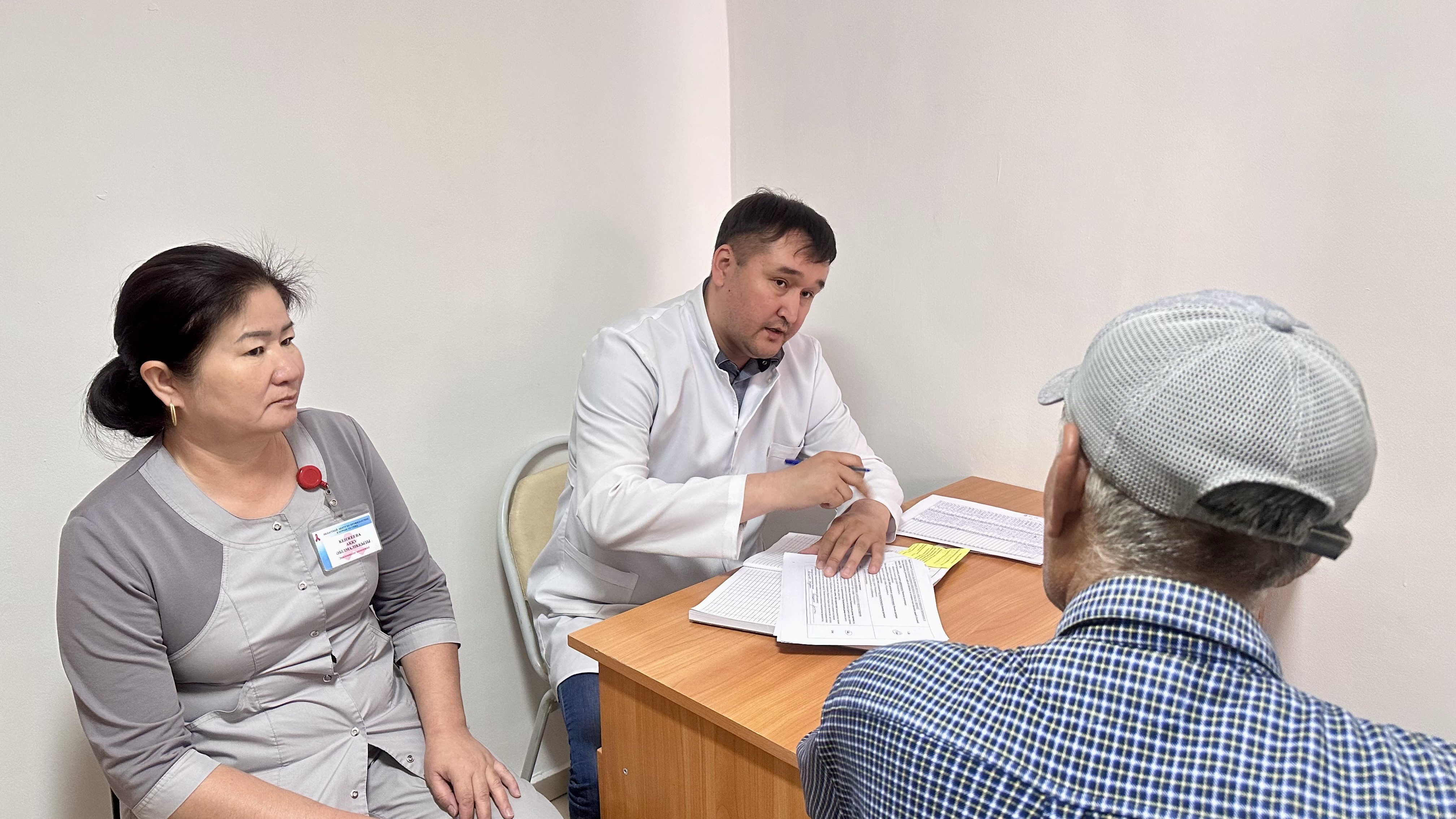
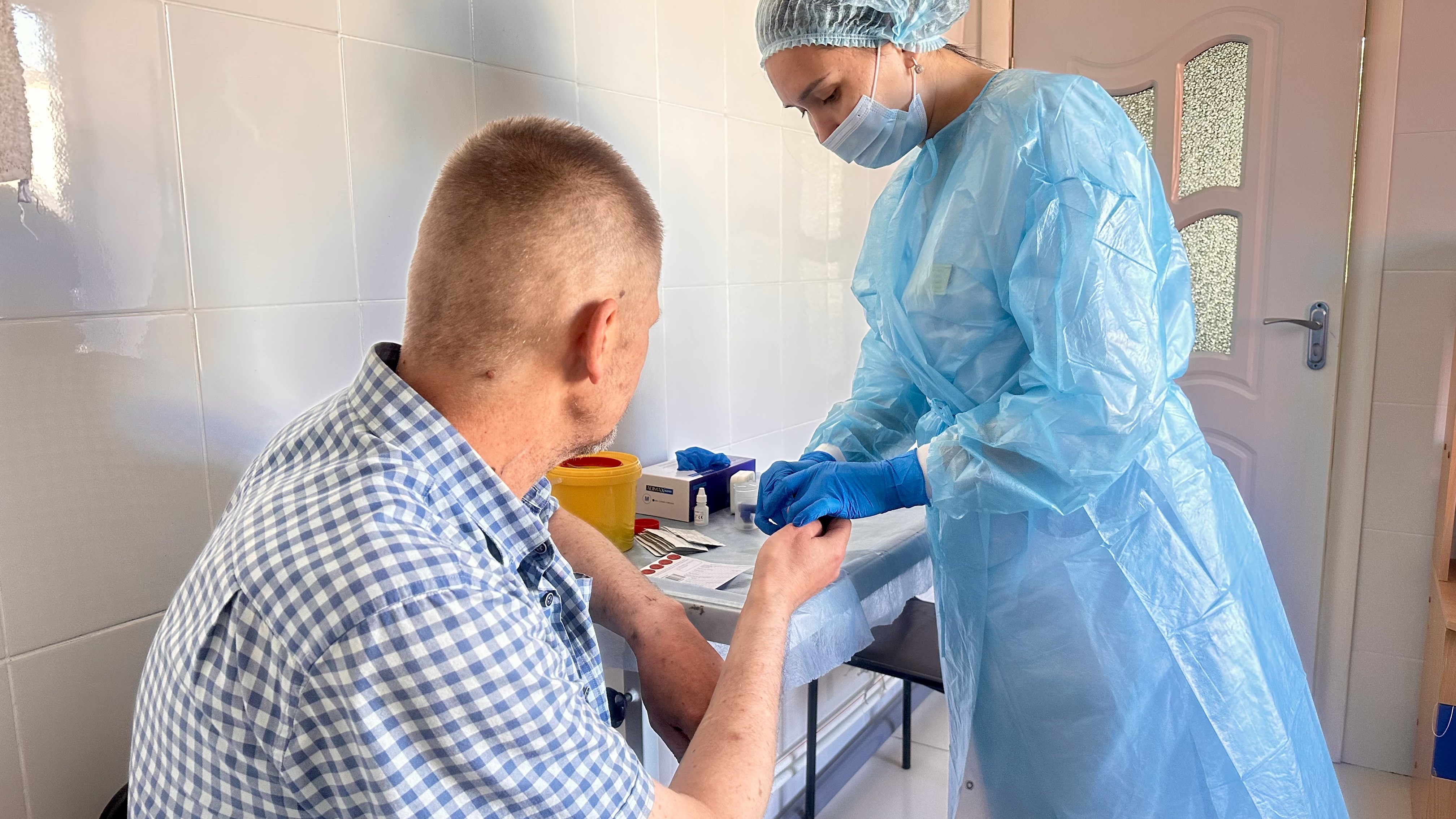
Residents of Aktobe over the age of 18 who inject drugs participate in the study. As part of the EMP, specialists conduct anonymous counseling, questionnaires, and testing for HIV, viral hepatitis C, and syphilis. All testing is confidential and voluntary.
Particular attention is paid not only to laboratory diagnostics but also to preventive work. Participants are provided with information on HIV transmission routes, protective measures, safe behavior, and access to medical care. If positive results are detected, specialists refer patients to specialized doctors for further examination and treatment.
The study utilizes modern diagnostic methods, including rapid testing and dried blood spot analysis. Data is collected in the e-Den electronic system, which improves the accuracy and quality of the data analysis.
According to HIV Center specialists, such studies help promptly identify trends in the spread of HIV, evaluate the effectiveness of prevention programs, and plan further measures to protect public health.
- «Epidemiological surveillance is an important tool for understanding the real situation with HIV infection. Thanks to such studies, we can improve prevention programs, increase public awareness, and ensure access to necessary care for those who need it» - noted Zhumagul Kuzbakova, an epidemiologist at the HIV Center.
The ESR also assesses the public's knowledge of HIV infection, analyzes risk behavior factors, and studies the availability of medical and preventive services. The results obtained will form the basis for further planning of preventive measures in the region.
The work is being carried out in accordance with orders of the Ministry of Health of the Republic of Kazakhstan and the guidelines of the Kazakh Scientific Center for Dermatology and Infectious Diseases. The program's primary goal is to reduce the spread of HIV infection, maintain public health, and foster a responsible attitude toward one's health.

all news »