December 4, 2025
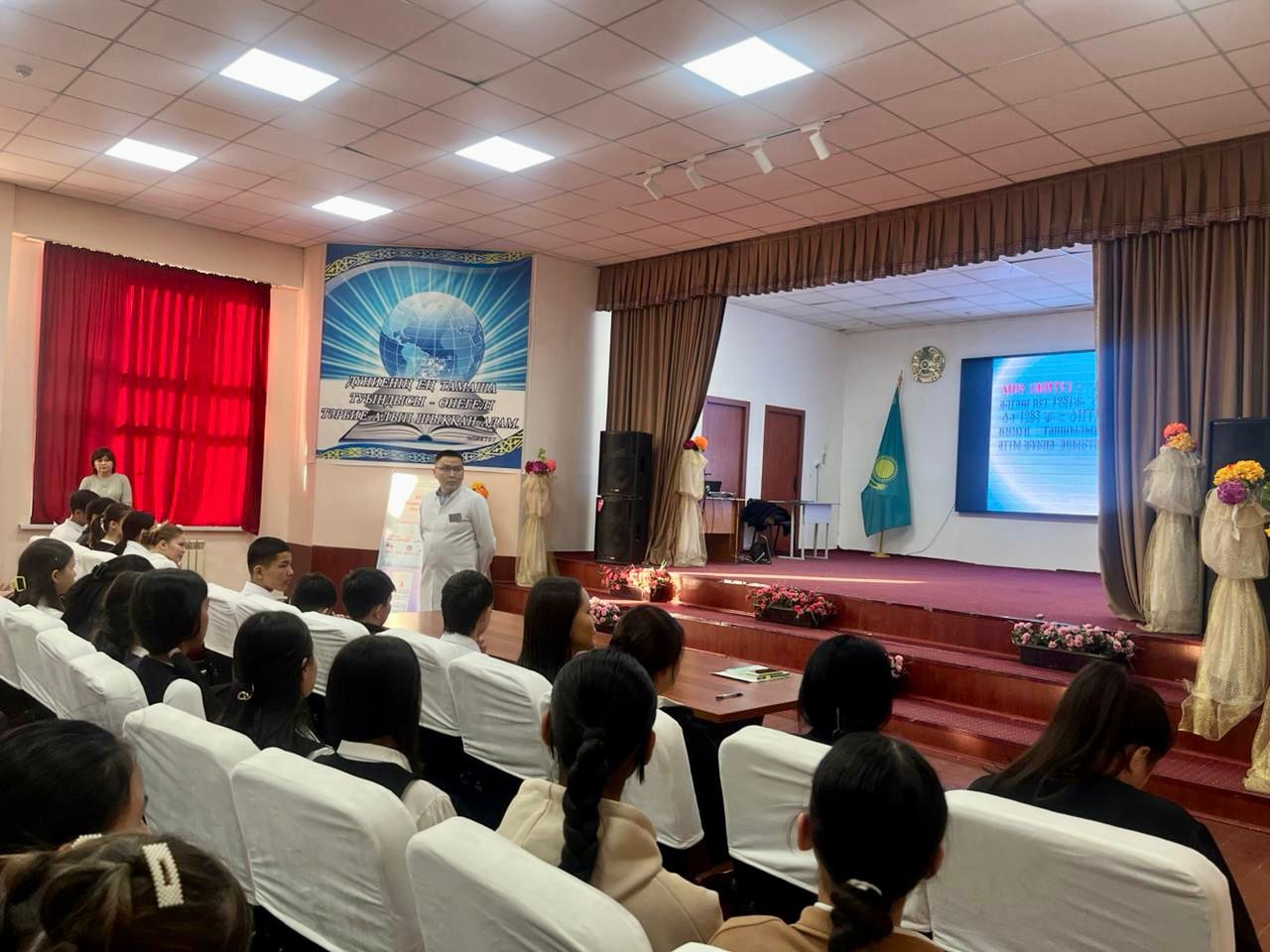
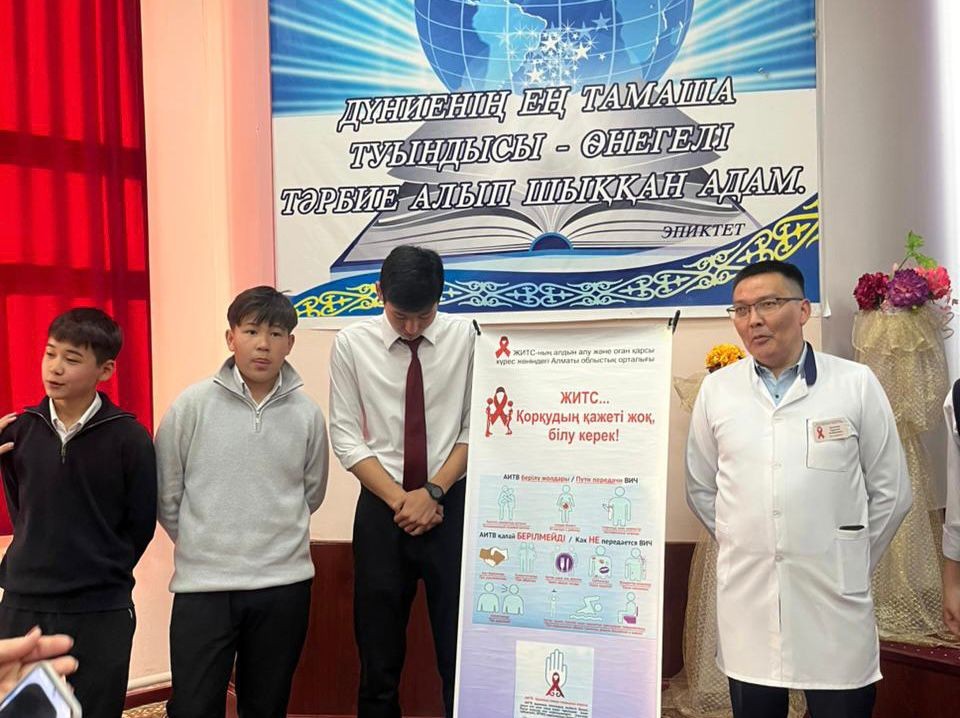
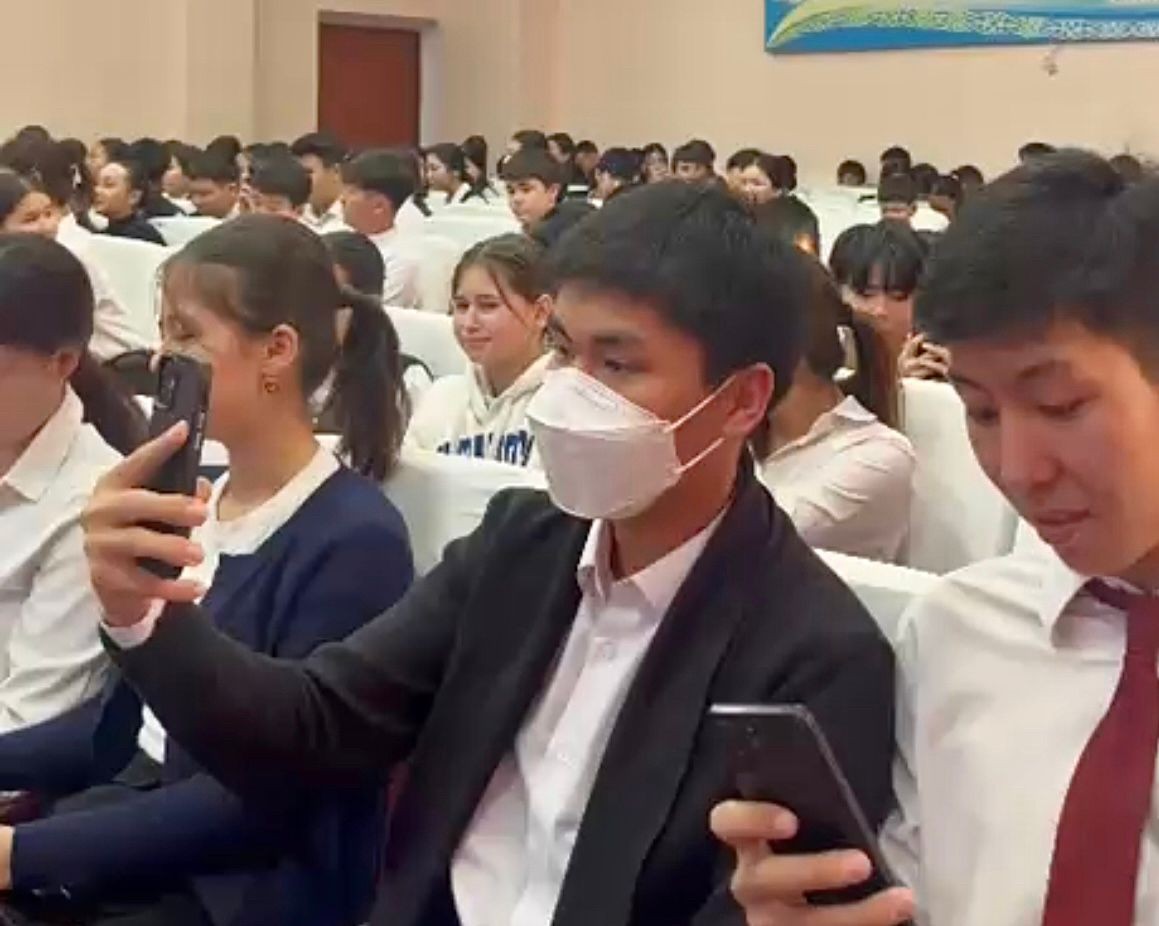
On 3 December 2025, information and awareness seminars were held in the village of Shamalgan, Karasai District, for senior students of A. Bukharbaikyzy and M. Auezov schools. More than 350 adolescents took part in interactive discussions dedicated to health and safe behaviour.
The main goal of the sessions was to help young people better understand how risks related to HIV infection and sexually transmitted infections (STIs) emerge, and what kind of knowledge truly protects. The format of the event was designed not only to deliver information, but also to engage students in open discussion, encourage questions, and dispel misconceptions.
Specialists from the Youth Health Centre covered topics relevant and relatable to every teenager.
A. Otepbergenova, gynaecologist, explained how sexual and reproductive health is formed and why it is important to take care of one’s body from school age.
T. Kuzmina, dermatologist and venereologist, spoke about common sexually transmitted infections and emphasized that early access to information helps prevent serious consequences.
A. Buirekbaeva, psychologist, focused on how emotions, peer pressure and stress can lead adolescents to risky decisions. She stressed the importance of being able to say “no” when necessary and seeking support from trusted adults.
A. Akshalova, narcologist, discussed the effects of psychoactive substances on the adolescent body and explained how substance use increases vulnerability to infections, including HIV.
The seminars demonstrated that when it comes to health, adolescents need not only facts, but also honest and open conversation. Participants actively engaged in discussions, shared their opinions, asked practical questions, and explored topics that are rarely discussed during regular school lessons.
According to N. Kasymov, epidemiologist at the Regional AIDS Center:
“As long as myths and stereotypes persist, young people remain at risk of misinformation about HIV. Our task is to provide them with clear, reliable knowledge they can use in real life.”
The work carried out in Karasai District is part of broader efforts to create an environment where young people feel free to ask questions and seek understanding about health matters. Such meetings help adolescents become more confident, responsible, and self-aware—contributing to a healthier future for the entire community.
all news »