November 14, 2025
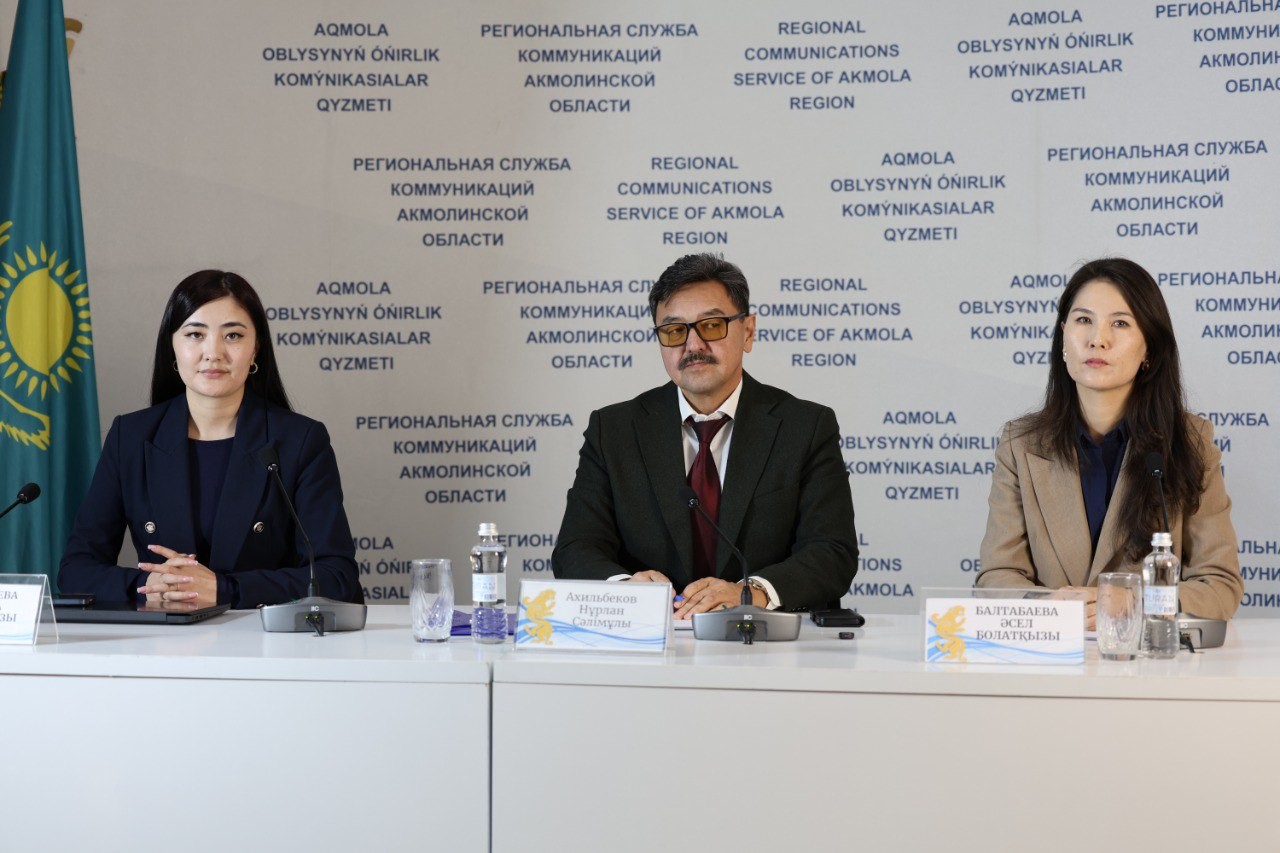
Over the past two years, the Akmola Region has not recorded any cases of vertical transmission of HIV. This outcome has been achieved thanks to effective prevention and treatment measures, as well as the trust of women who sought care from health facilities in a timely manner. The information was shared by specialists from the Regional HIV Prevention Centre during a briefing at the Regional Communications Service.
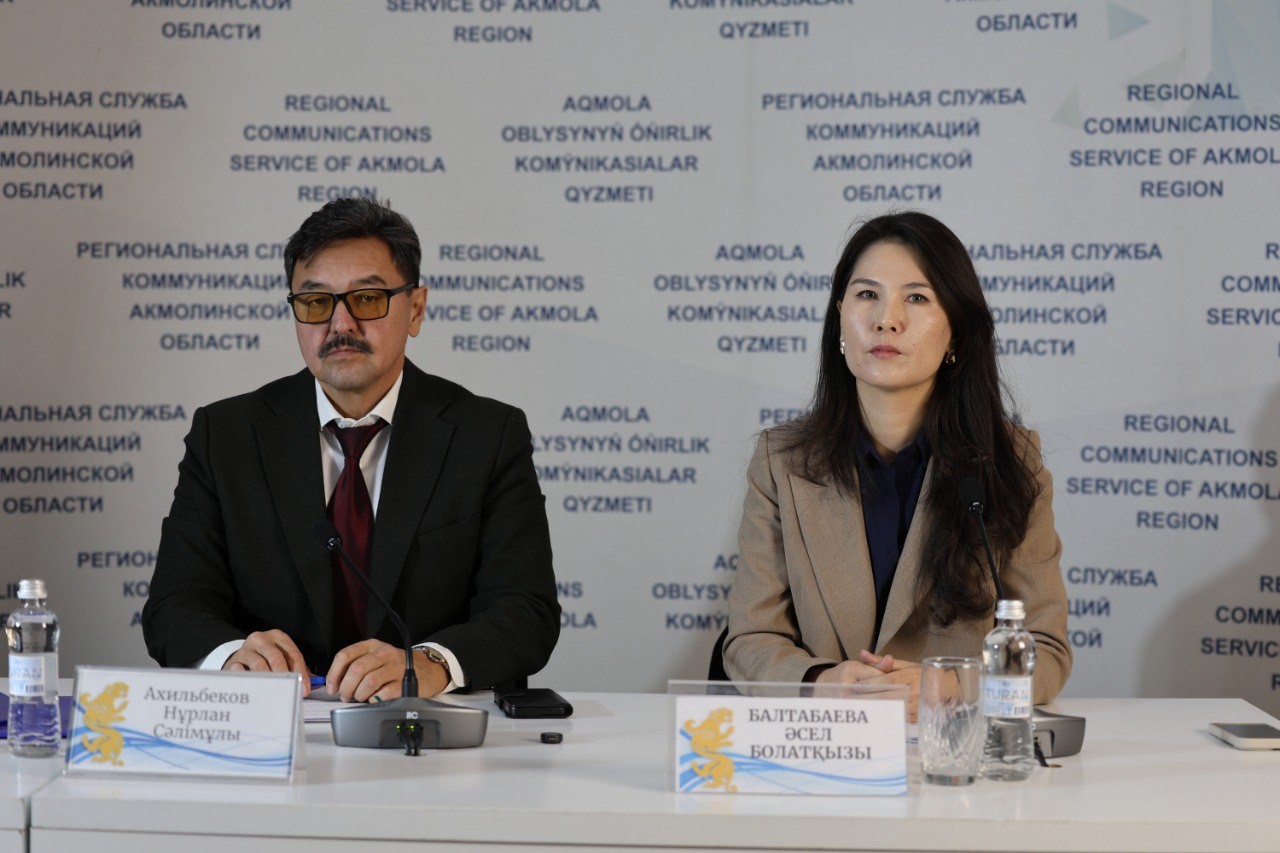
“Today’s positive results are the outcome of early HIV testing among pregnant women, access to antiretroviral therapy, and continuous medical follow-up,” noted Nurlan Akhilbekov, Director of the Centre.
During the first ten months of 2025, 108 new HIV cases were identified in the region. Compared to the previous year, a slight decrease has been observed. The primary mode of transmission continues to be condomless sexual contact, accounting for more than 80% of new cases.
According to the Director, every woman living with HIV can give birth to an HIV-negative child when medical recommendations are followed. This demonstrates that HIV can be effectively controlled when a person knows their HIV status and receives treatment.
All necessary conditions are in place in the country to ensure the birth of healthy children. Health workers encourage women to register for antenatal care early and follow medical advice. It is crucial to undergo HIV testing twice during pregnancy due to the so-called serological window: after exposure to the virus, HIV is already present in the body, but tests may not immediately detect it, as the immune system needs time to produce antibodies. This period typically lasts from two weeks to three months.
For this reason, HIV testing is recommended at 10–12 weeks and 28–30 weeks of pregnancy. If HIV is detected, immediate initiation of antiretroviral treatment is essential to minimize the risk of transmission to the child.
It is important to note that HIV treatment begins immediately after diagnosis and is provided free of charge by the state.
As of early November 2025, six pregnant women with HIV-positive status were under medical supervision in the Akmola Region; 17 deliveries were registered, and nine children were confirmed as HIV-negative after follow-up.
Medical progress is not possible without overcoming fear and prejudice. Specialists emphasize that reducing discrimination encourages more people to seek testing, counselling, and support services.
Ahead of World AIDS Day, the region will conduct informational activities, rapid testing campaigns, and meetings with young people.
According to Asel Baltabayeva, Head of the Prevention Department of the Centre, the organization actively collaborates with Youth Health Centres, civil society organizations and educational institutions to promote responsible attitudes to health and foster tolerance toward others.
Over the first ten months of this year, 15 prevention campaigns were conducted with the participation of nearly 1,300 people, 305 of whom underwent rapid HIV testing. Outdoor communication tools — audio and video messages, as well as information banners — are widely used in the prevention efforts.
World AIDS Day is observed on 1 December. This year's theme, “From Challenges to Solutions in the HIV Response,” highlights the need for countries and communities to remain resilient, safeguard progress, and strengthen the HIV response.
As stated on the official UNAIDS website, transformative solutions are needed to expand access to HIV-related services, eliminate stigma and discrimination, and protect the rights of women, girls and LGBTQ+ people.
all news »