November 10, 2025
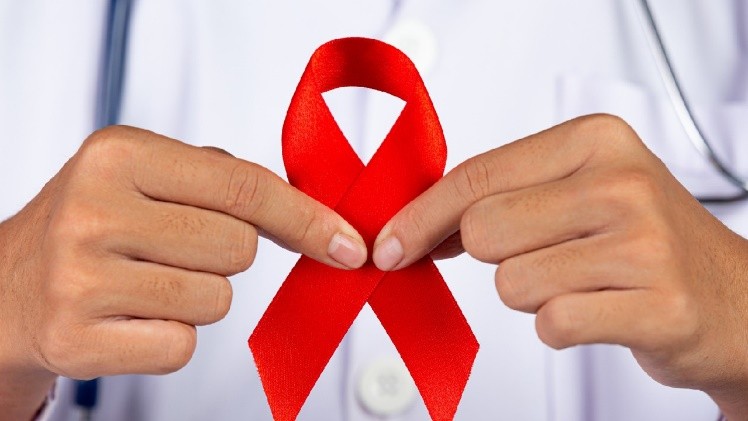
This year, World AIDS Day (1 December) is being marked under the global campaign theme “From Challenges to Change — Strengthening the HIV Response,” which runs from 10 November to 10 December.
As of today, 1,974 people living with HIV are registered at the Shymkent Centre for HIV Prevention and Control, of whom 1,944 are receiving antiretroviral therapy (ART). Among them, 90% have achieved viral suppression. Treatment is provided comprehensively using modern and effective antiretroviral medicines.
Since April 2025, the Centre has been using a new combination medicine containing Rilpivirine, Tenofovir alafenamide, and Emtricitabine. The formulation is based on new-generation technology, offering high efficacy, low toxicity, and minimal side effects, even with long-term use.
The introduction of advanced laboratory diagnostic methods has significantly improved clinical diagnosis and monitoring of treatment effectiveness.
A new HIV testing approach — self-testing — has also been successfully implemented. Now, people at higher risk of acquiring HIV can learn their HIV status within 20 minutes at home using a rapid self-test kit, without visiting a clinic.
For key populations, pre-exposure prophylaxis (PrEP) — the use of antiretroviral medicines to prevent HIV transmission — is being provided. Currently, 1,217 people are receiving PrEP services.
“Today we are making effective changes in addressing HIV-related challenges. Expanding access to antiretroviral therapy has led to a decline in HIV-related morbidity and mortality.
The introduction of ART has enabled people living with HIV to live full, healthy lives and greatly improved their quality of life,”
said B. Syrbek, Chief Physician of the Shymkent Centre for HIV Prevention and Control.
He added:
“Our efforts have ensured timely HIV diagnosis among pregnant women and, in many cases, prevented vertical transmission of HIV.
To date, 619 healthy babies have been born to women living with HIV in Shymkent.
Prevention measures and public awareness activities aimed at protecting the health of future generations have also been strengthened.”
There are currently nine Youth Health Centres (YHCs) operating in Shymkent. These centres support adolescents and young people, promote healthy lifestyles, and strengthen psychological well-being.
“Together with youth organizations, we help young people increase their awareness of sexual and reproductive health, prevent both communicable and noncommunicable diseases, and develop health-promoting attitudes and skills. We consider all these efforts a worthy and effective response to the challenges of HIV,”
concluded B. Syrbek.
all news »