November 10, 2025
Ahead of World AIDS Day (1 December), specialists from the Aktobe Regional Centre for HIV Prevention have summarized progress toward achieving the global UNAIDS 95–95–95 targets. This strategy aims to end the AIDS epidemic by 2030, which will be possible when 95% of people living with HIV know their HIV status, 95% of those who know their status receive antiretroviral therapy (ART), and 95% of those on treatment achieve viral suppression.
Today, in the Aktobe region, both treatment coverage and effectiveness indicators have already approached the global goals — reaching 93%.
“We see that antiretroviral therapy truly works. Most of our clients on treatment live full lives, form families, work, and raise children. This success reflects not only medical care but also social support,”
said Aigul Duissenbayeva, Head of the Aktobe Regional Centre for HIV Prevention.
The positive trend has been achieved through the continuous expansion of HIV testing coverage and free access to modern treatment regimens. The region actively implements activities outlined in the Roadmap for HIV Prevention Measures in the Republic of Kazakhstan for 2023–2026, in partnership with the health sector, the departments of education, police, the penitentiary system, as well as civil society organizations and youth health centers.
“Every resident should understand that HIV infection is a chronic, manageable condition that can be prevented through simple measures. If prevention fails, modern treatment allows people to control viral load and prevent transmission to others. The success of treatment depends on timely diagnosis and early initiation of therapy,”
emphasized Anna Kaspírova, Deputy Head of the Regional HIV Centre.
On 10 November, the global campaign for World AIDS Day will begin under the theme “From Challenges to Change — Strengthening the HIV Response.” In the Aktobe region, numerous prevention and information-education activities will take place among young people and adolescents — including training sessions, essay and dictation contests, meetings with public figures, flash mobs, quizzes, car rallies, and other events.
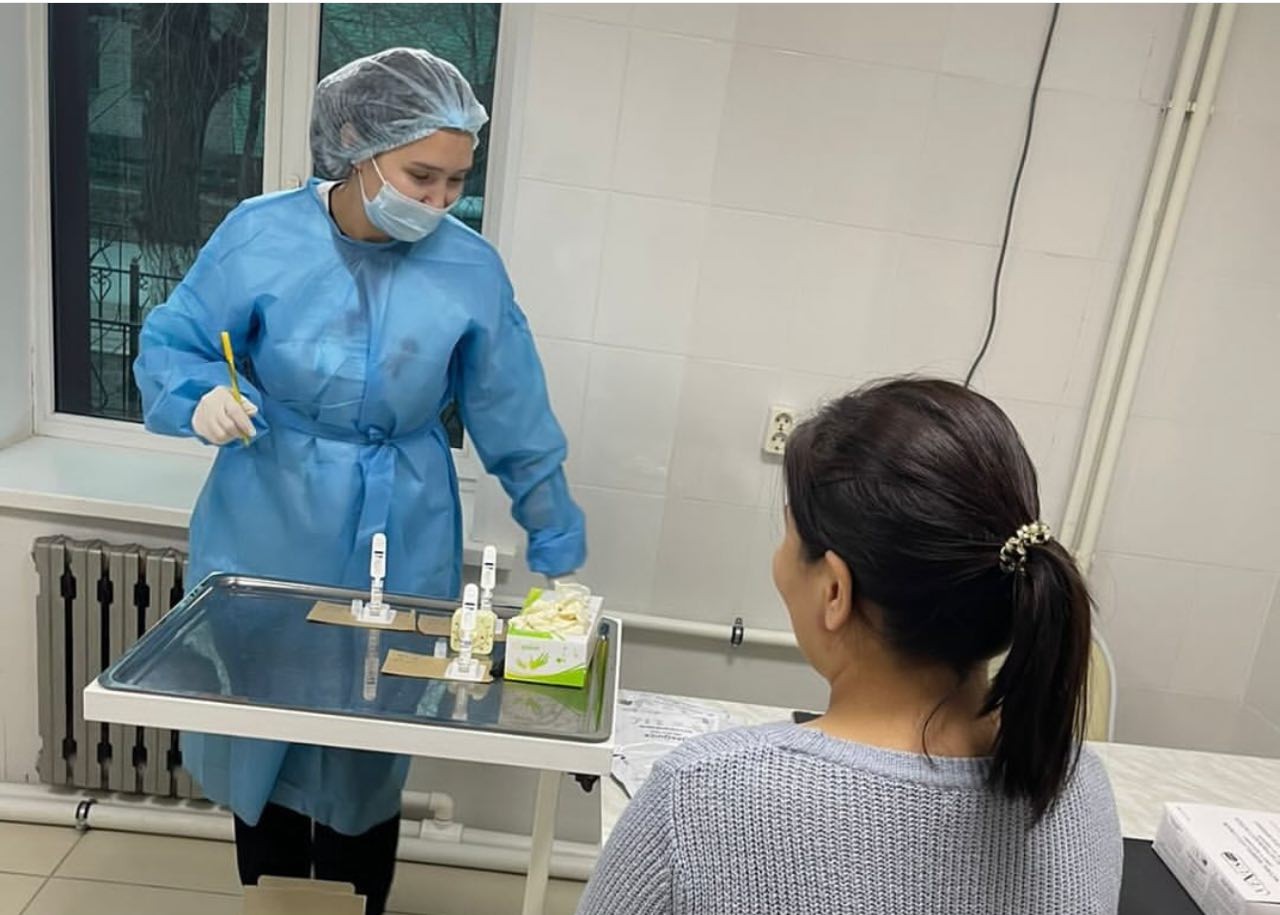
In public spaces and shopping centers, voluntary and anonymous HIV testing and specialist consultations on HIV and sexually transmitted infections (STIs) will be offered.
All activities are organized by the Regional Centre for HIV Prevention, in collaboration with government agencies, civil society organizations (Our Life, Bolashaq Mura, Kazakhstan Red Crescent Society, Qoldau Event), volunteer initiatives (KazMSA, Y-PEER Kazakhstan), and youth health centers (at city clinics No. 2, 6, 7, and the Student Health Center at West Kazakhstan Medical University).
During the first ten months of this year, 48 new HIV cases were registered among Kazakh citizens in the Aktobe region — nine fewer than during the same period last year. The main route of HIV transmission remains sexual transmission (90% of newly identified cases). The majority of newly diagnosed individuals are men (38 cases).
Specialists remind everyone that free and confidential HIV testing is available at the Regional HIV Centre and youth health centers in local polyclinics.

all news »