November 10, 2025
As part of the campaign timed to coincide with World AIDS Day, specialists from the Almaty Regional Center for HIV Prevention and Control are holding lectures and meetings with labor collectives and military personnel. The campaign began in the most remote districts — Rayimbek and Kegen.
In early November, preventive activities took place in the village of Narynkol and surrounding settlements of the Rayimbek district.
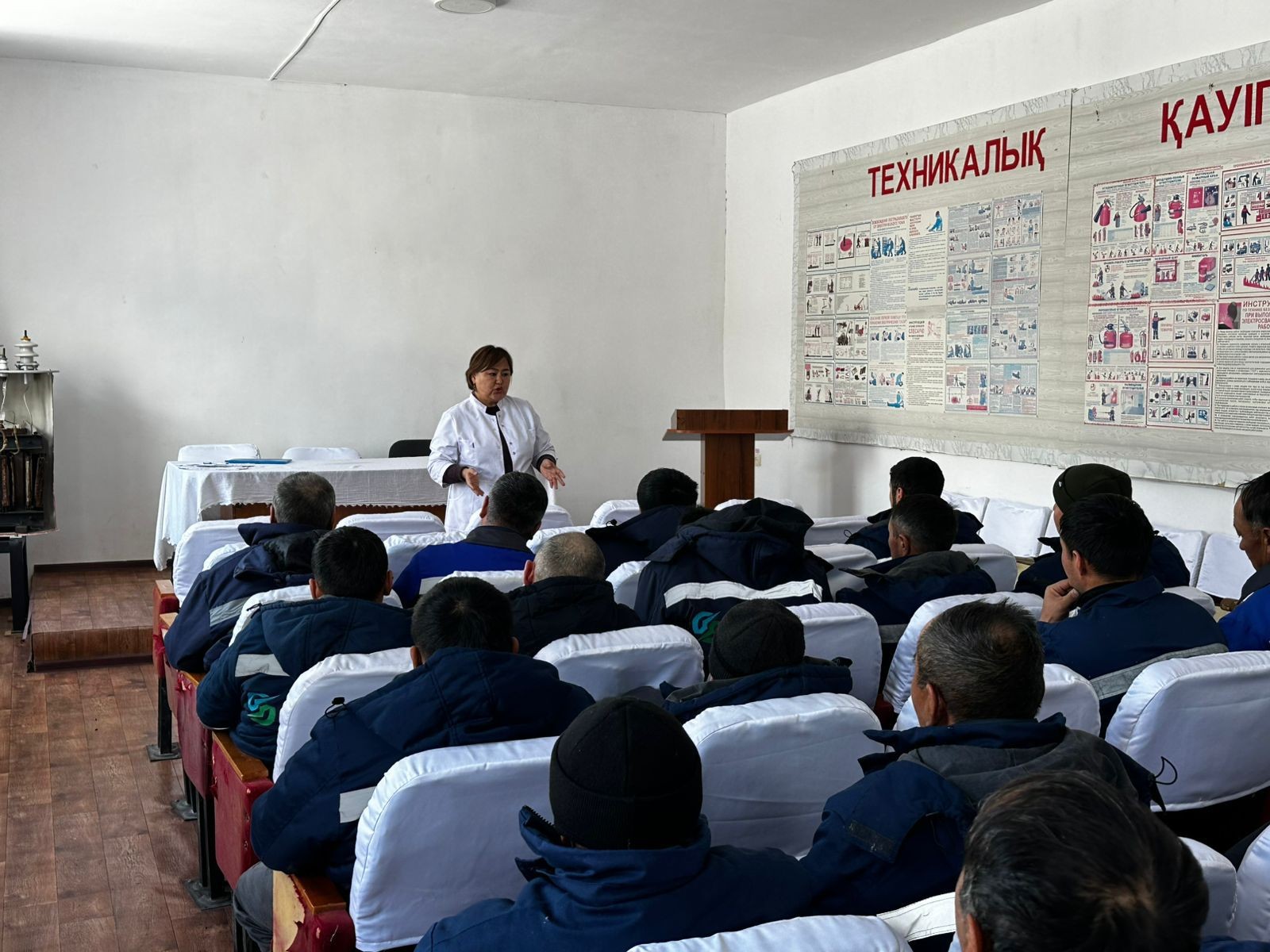
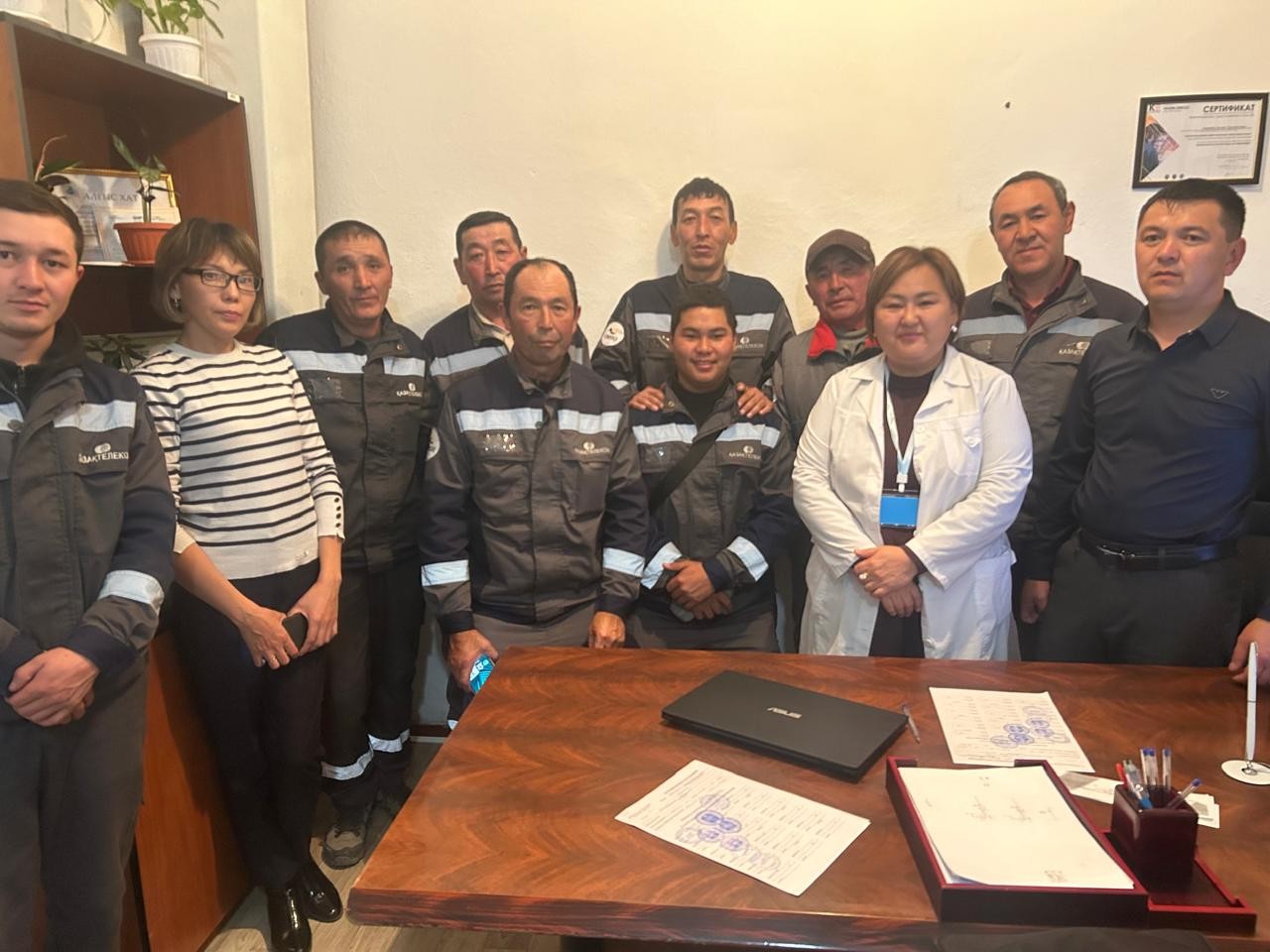
The lectures covered employees of government and industrial organizations — the district emergency department, Fire Station No. 12, Kazakhtelecom branch, local post office, branch of JSC “AZhK Energosbyt,” as well as employees of LLP “Qarasaz Food” and the State Enterprise “Narynkol Forestry.” In total, more than 270 employees participated in the events.
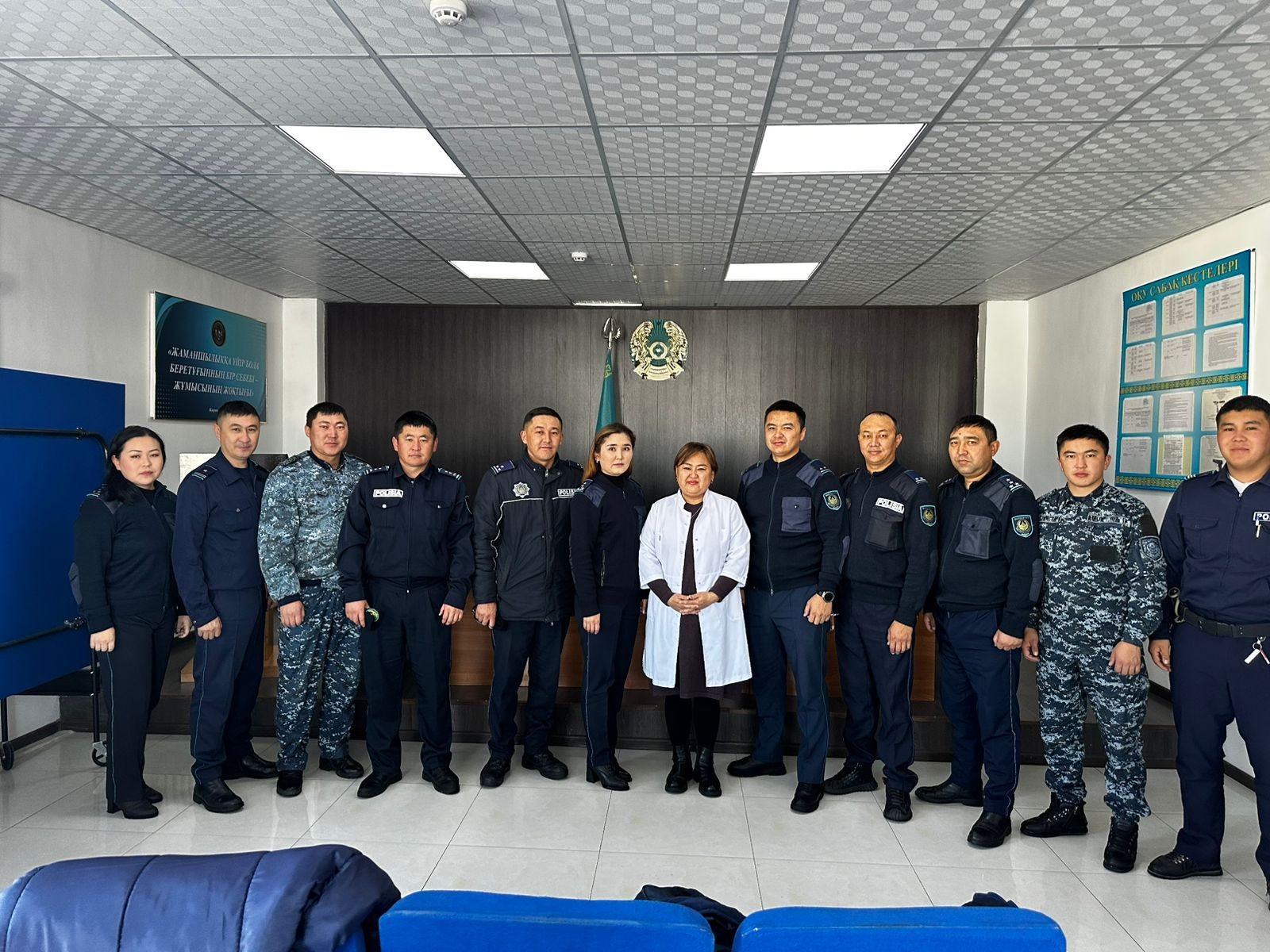
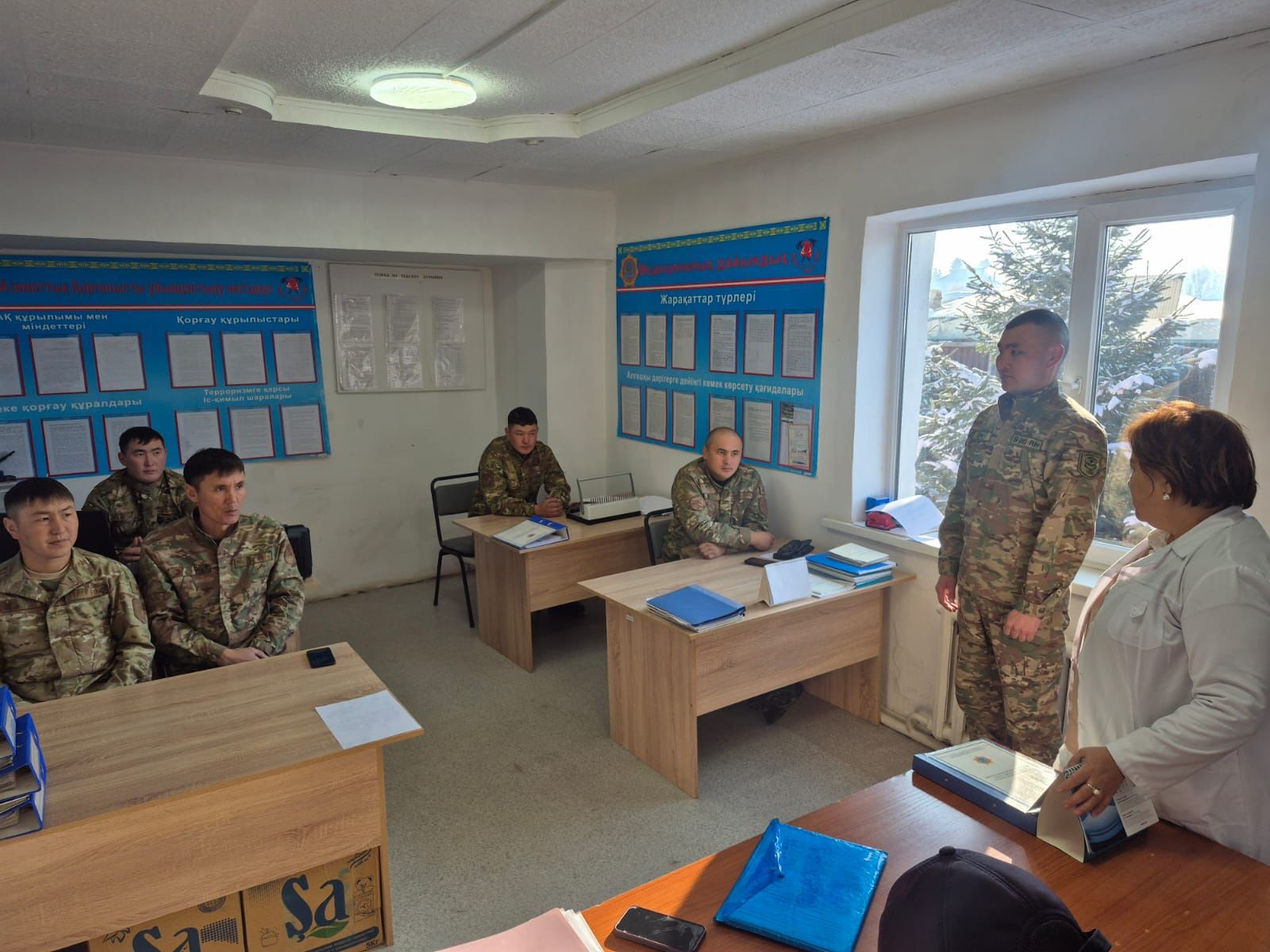
Special attention was also paid to working with military units: lectures were held at the Rayimbek District Police Department, military unit No. 97617, as well as at the Narynkol, Kostobe, Sumbe, and Kyzylshekara border posts.
In total, preventive activities covered more than 370 servicemen.
In the Kegen district, HIV center specialists met with personnel from the district police department, employees of the JSC “AZhK” and JSC “LTC” branches, as well as servicemen from the Rayimbek Border Administration and the Mynzhylky outpost.
Additionally, preventive seminars were held at the secondary school in the village of Karkara, attended by 69 students and 38 teachers.
Overall, more than 300 people were reached in the Kegen district.
During the meetings, specialists provided detailed information about HIV transmission routes, the current epidemiological situation in the country and region, as well as preventive measures and the legal rights of people living with HIV.
Topics such as stigma, discrimination, and accessibility of testing attracted particular interest. All participants received informational materials and protective supplies.
“The most important elements of any workplace HIV program are the continuous increase of knowledge, dissemination of information, and education. Only an informed community can effectively prevent HIV,” emphasized A. Ibraimova, an epidemiologist at the Preventive Work Department of the Almaty Regional AIDS Center.
all news »