July 13, 2026
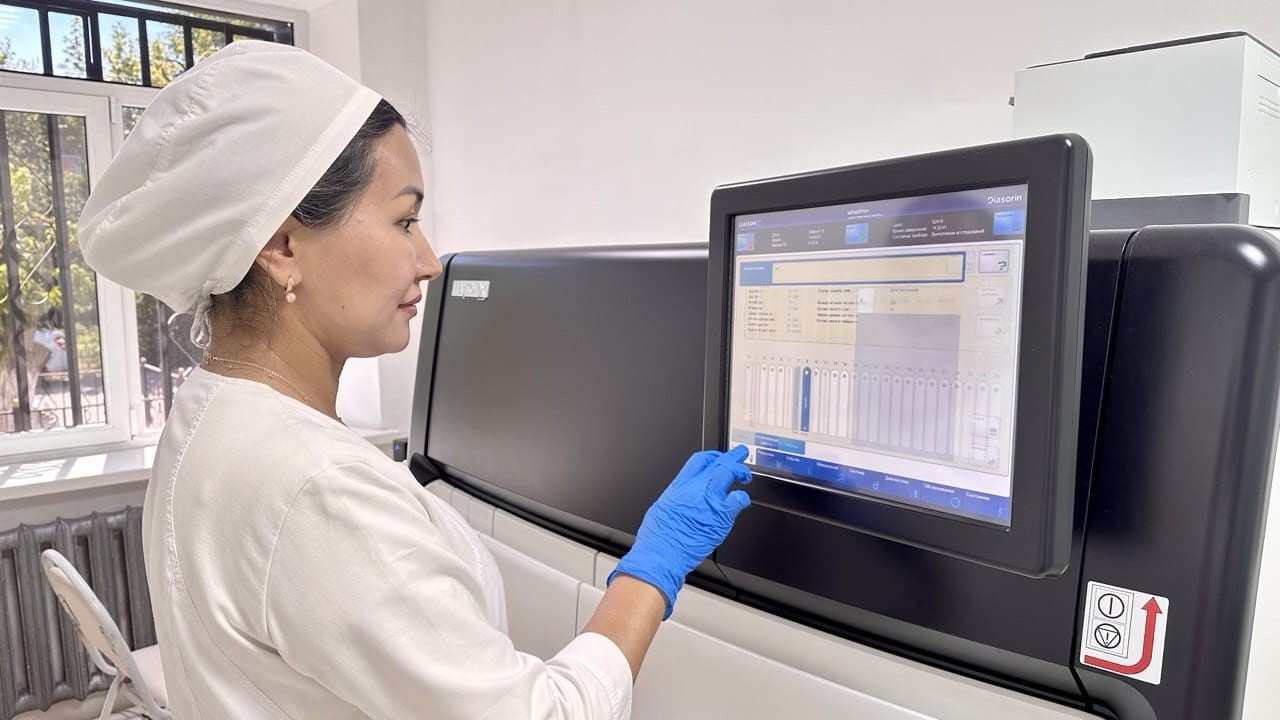
The Aktobe Regional HIV Prevention Center continues to modernize its laboratory service in 2026. The LIAISON XL automatic immunochemical analyzer was put into operation, which became an important step in improving laboratory diagnostics and improving the quality of medical care.
The new equipment makes it possible to significantly increase the volume of automated HIV tests, reduce the time required for laboratory tests and improve the accuracy of the results. The introduction of modern technologies helps to increase the efficiency of the laboratory and ensures timely diagnosis of HIV infection.
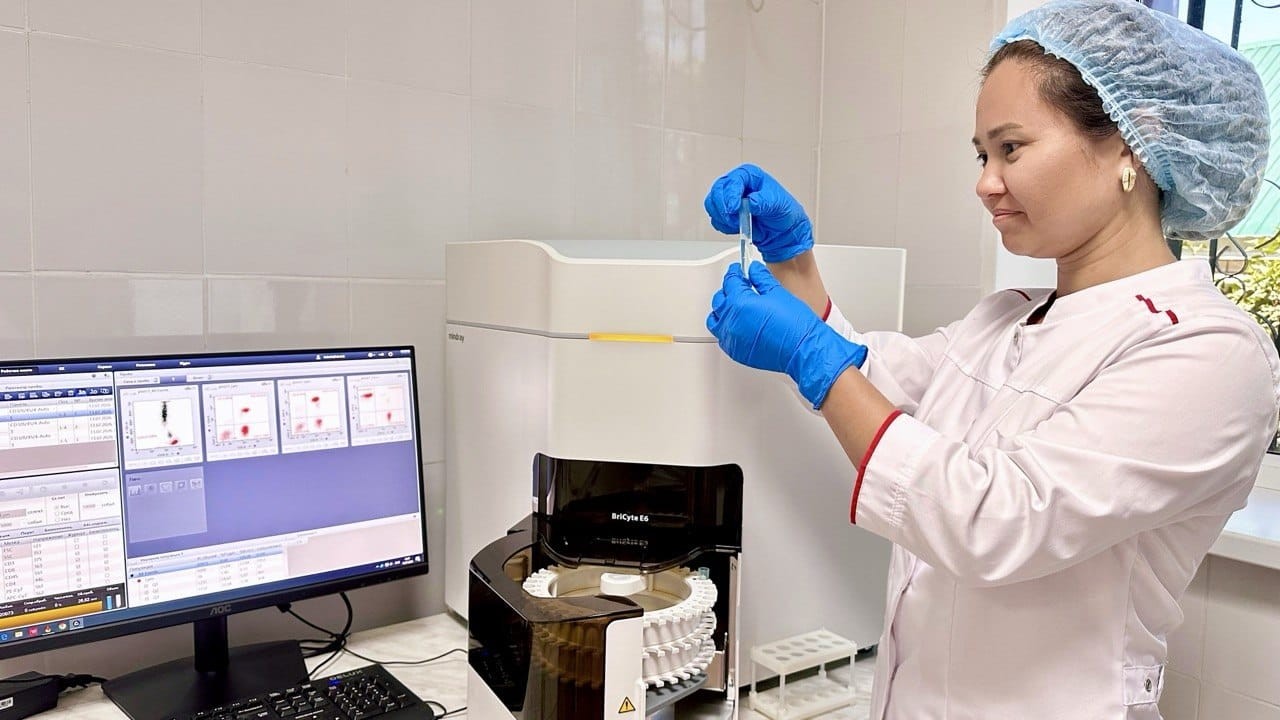
In addition, the center has commissioned a new generation Mindray BriCyte E6 flow cytometer designed for high-precision automated analysis of CD3, CD4, CD8 and CD45 cell populations. The use of a modern cytometer makes it possible to quickly and accurately determine the immunological status of patients, which is of key importance when monitoring people living with HIV, evaluating the effectiveness of antiretroviral therapy and making timely clinical decisions.
"Equipping the center with modern automated equipment is an important step in the development of the laboratory service. The commissioning of the LIAISON XL analyzer made it possible to increase the volume of HIV infection tests performed on automated equipment, and the use of the Mindray BriCyte E6 flow cytometer significantly expanded the possibilities of immunological diagnostics. This helps to increase laboratory productivity, ensures high-quality research and allows timely detection of HIV infection, as well as effective monitoring of the immune system of patients," said Gulmira Kulzhanova, head of the diagnostic laboratory.
The development of the material and technical base of the center is one of the priority areas of work aimed at improving diagnostics, increasing the effectiveness of preventive measures and providing the population with modern medical technologies. The introduction of automated laboratory systems meets modern healthcare requirements and contributes to further improving the quality of medical care in the region.
all news »