November 19, 2025
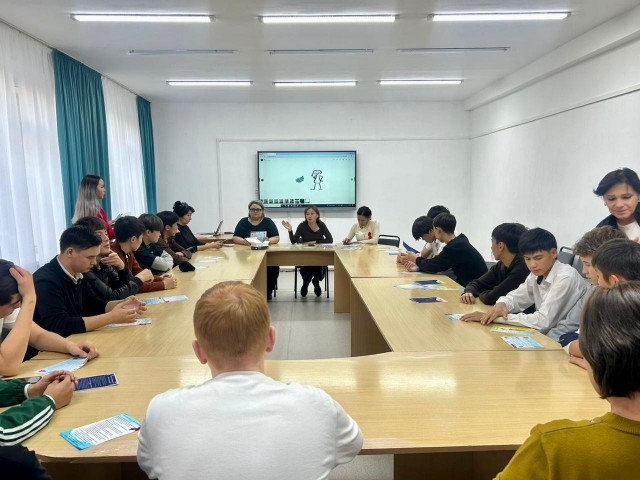
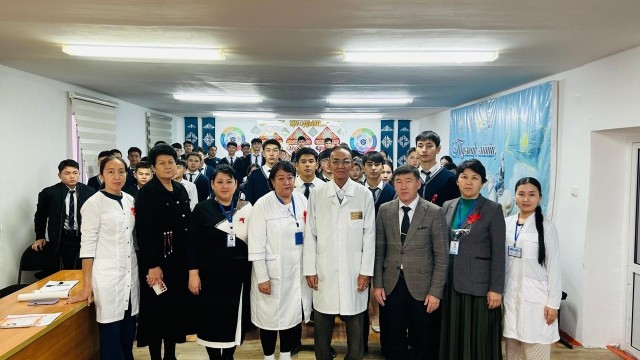
The Motto “From Challenges to Transformations in the HIV Response” Became the Focus of Discussion among the Youth of ZhetysuThe Regional Centre for HIV Prevention of the Health Department of Zhetysu Region held a round table under the motto “From Challenges to Transformations in the HIV Response” for young people.
The purpose of the event was to raise young people’s awareness of HIV transmission routes, methods of prevention, the importance of regular HIV testing, and to promote a responsible attitude towards personal health. Participants were reminded that HIV and AIDS are different concepts, and that thanks to modern treatment, people living with HIV can lead full, active, and healthy lives.
During the round table, specialists provided detailed information on how HIV is transmitted, dispelled common myths, and emphasized that HIV is not transmitted through everyday contact. Special attention was given to HIV prevention, safer behaviour, and reducing stigma and discrimination against people living with HIV.
The discussion involved representatives from the Health Promotion Department of City Polyclinic No. 1, a narcologist from the Regional Centre for Mental Health, and members of the Taldykorgan Regional Employment Support Foundation, a non-governmental organization. Each participant contributed to the discussion, sharing professional recommendations and experience in working with young people.
Experts from the Centre noted that transformations are already taking place: new prevention programmes are being introduced, access to free HIV testing is expanding, youth counselling is being improved, and information campaigns are becoming more open and accessible.
The event helped to foster open dialogue, increase awareness, and strengthen the understanding among young people that HIV prevention is everyone’s responsibility.
more »November 19, 2025
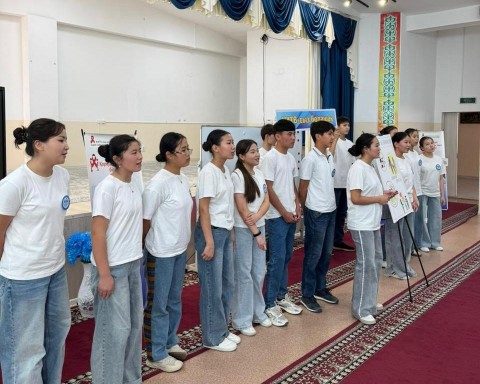
Adolescent Forum in Uyghur District: An Open Conversation about HIV and HealthA large-scale forum dedicated to raising awareness about HIV and promoting healthy lifestyles among young people was held in the Uyghur District of Almaty Region. The event took place on 18 November 2025 as part of the national campaign “From Challenges to Transformations in the HIV Response!”
The main objective of the forum was to provide adolescents with accurate and evidence-based information about HIV, prevent harmful behaviours, and foster a culture of responsible attitudes towards personal health.
The event was organized by specialists from the Uyghur District Central Hospital, including Education Department specialist A. Asynova, health promotion specialist Sh. Baratova, and youth health centre physician A. Yskak. Specialists from the Almaty Regional Centre for HIV Prevention and Control — A. Ibraimova and N. Kasymov — also participated, delivering a lecture on HIV prevention and engaging adolescents in an open dialogue on pressing health and social issues.
In addition, representatives of other medical professions addressed the forum. Narcologist Ch. Nurzhanov spoke about the harms of drug use, psychologist G. Kozhakanova discussed the prevention of violence, youth health centre physician A. Yskak presented the principles of healthy living, and gynaecologist G. Musaeva provided information about the human papillomavirus (HPV) and methods of prevention.
The forum brought together 90 participants, including students from five local schools, as well as students from the “Ayazhan” Medical College and the Polytechnic College in Shonzhy. Young participants highlighted the importance of such events in improving awareness, building self-confidence, and strengthening a sense of responsibility for their own health.
The organizers emphasized that preventive sessions in schools and colleges will continue, aiming to expand outreach to young people and promote a culture of health and well-being among adolescents and the wider community.
more »November 18, 2025
In Aksay village, HIV prevention efforts are being strengthened and public awareness is increasingOn November 18, 2025, specialists from the Almaty Regional Center for AIDS Prevention and Control, together with Dr. T. Sekebaeva from the MCZ, visited the Central Polyclinic of Aksay village. The event was organized as part of World AIDS Day — a date that reminds us of the importance of prevention, early testing, and the elimination of stigma toward people living with HIV.
The main goal of the meeting was to raise awareness among patients and medical staff about the ways HIV is transmitted, modern prevention methods, and the importance of regular testing.
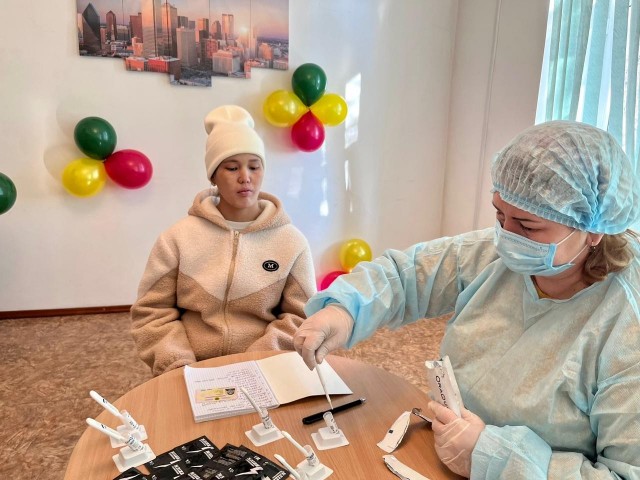
During the event, 18 clinic visitors underwent a rapid saliva HIV test — a fast, safe, and convenient method for early detection of the infection. Dr. T. Sekebaeva gave a lecture on the principles of maintaining health, risk factors, and methods of HIV prevention. Participants were also educated about and had common myths about HIV debunked. In total, 43 people were reached through the preventive work.
During the lecture, participants actively asked questions about the correct use of protective measures, the possibility of infection in everyday life, modern HIV treatment regimens, and steps that help maintain health.
The specialists emphasized that timely testing is one of the key factors in maintaining health and preventing further spread of the infection. Early detection allows people to receive timely support and live a full and active life.
Patients and staff of the Central Polyclinic noted that such meetings help people feel more informed and confident.
Preventive visits will continue in the future, reaching more residents of the region and fostering a culture of care for personal health and the well-being of those around them.
more »November 18, 2025
“Make Your Choice!” Campaign Held in TurkestanFrom November 10 to December 10, an informational campaign titled “From Challenges to Transformations in Response to HIV” is taking place in the country. The campaign was organized in honor of December 1 – World AIDS Day – and aims to raise public awareness about HIV prevention and treatment, as well as to reduce stigma and discrimination.
As part of the campaign, an informational event called “Make Your Choice!” was held in the Turkestan Region for students of specialized educational institutions. The goal of the event was to reduce the spread of HIV among young people and promote a healthy lifestyle.
More than 300 active young people participated in the meeting. Their interest and questions demonstrated that youth are engaged and concerned about this topic.
Meruert Atambaeva, an epidemiologist at the Turkestan Regional Center for HIV Prevention, spoke to the youth about the value of health and the importance of personal responsibility:
"HIV prevention among young people is one of the urgent issues. Young people should approach every matter with personal responsibility."
During the event, students openly shared their opinions and suggested organizing similar activities together in the future.
This initiative helped young people understand the importance of taking responsibility for their lives and protecting themselves from HIV.
more »November 18, 2025
Over 2,000 High School Students in Turkestan Received Information About HIVSpecialists from the HIV Prevention Center of the Turkestan Region conducted a training session for school students as part of an informational campaign held in honor of World AIDS Day.
During the event, in a friendly and trusting atmosphere, specialists spoke about the importance of maintaining a healthy lifestyle and taking care of one’s own health as well as the health of loved ones. In a quiz format, students answered questions about the ways HIV is transmitted and protective measures.
Doctors corrected mistakes and inaccuracies and explained them in detail. In addition, participants were informed about the importance of HIV testing. Doctors emphasize that early detection of the infection helps maintain health and quality of life for many years.
Specialists also highlighted the need to reduce stigma and discrimination against people living with HIV. Teenagers were encouraged to show tolerance, understanding, and respect toward every person, regardless of their diagnosis.
more »November 18, 2025
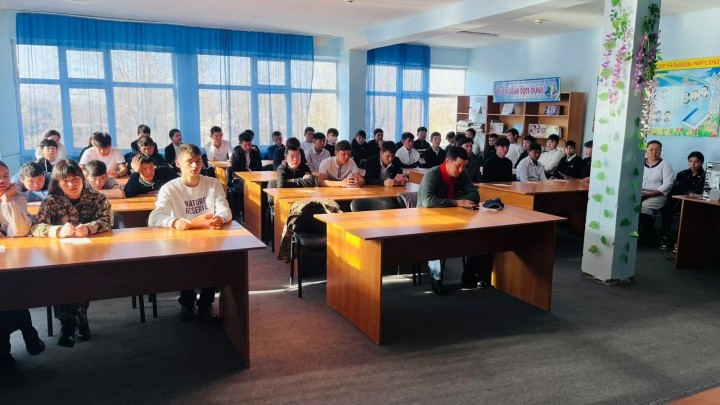
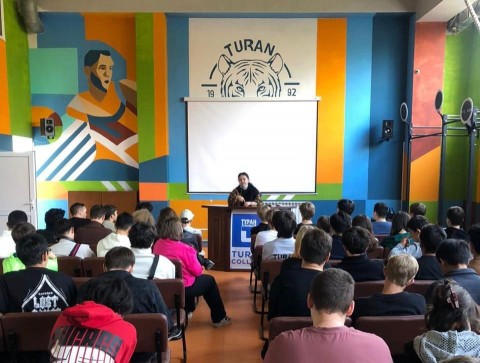
Youth and Health: “Turan” College Students Learn More About HIV PreventionOn 18 November, 120 students from Turan College took part in an interactive session on HIV prevention.The event was delivered in an accessible and engaging format, helping draw students’ attention to this important topic.The session was held as part of an information campaign dedicated to World AIDS Day. Specialists from the Almaty Centre for AIDS Prevention and Control briefed students on current approaches to HIV prevention, methods for early detection, and the ways HIV is transmitted.Health professionals emphasized the importance of regular HIV testing and addressed common myths about HIV. They explained which measures help protect oneself and others, and shared up-to-date data as well as examples from practice.The interactive format encouraged open dialogue between students and medical staff. Participants actively asked questions, sought information about available HIV testing services, and discussed situations that young people may encounter.Organizers noted that such sessions help foster responsible attitudes toward personal health and improve HIV awareness among young people.
more »November 17, 2025
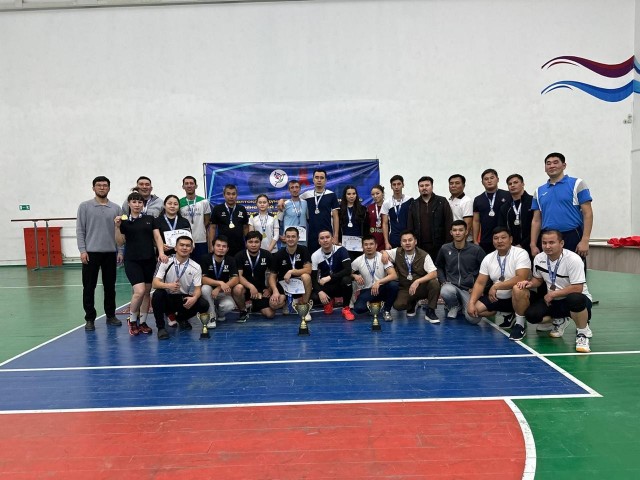
Join the Health Team!On the past weekend, November 15, 2025, a volleyball tournament among school teaching staff was held in the sports hall of the Aesthetic Gymnasium. The event was organized by the West Kazakhstan AIDS Center in cooperation with the NGO “IP Bisengaliev” and was dedicated to the World AIDS Campaign. The tournament aimed to raise awareness about HIV prevention, promote a healthy lifestyle, and strengthen corporate interaction within the educational community.
Before the games began, epidemiologist A. Ashigaliyeva delivered a welcome speech, outlining the planned activities and explaining this year’s slogan — “From Challenges to Transformation in the HIV Response.”
Teams from Schools No. 37, 4, 16, 33, Serebryakovo, and the Aesthetic Gymnasium took part in the competition. Each team demonstrated strong unity, sportsmanship, and a desire to win. The tournament was held in a warm and friendly atmosphere: teachers not only competed for points but also supported one another, setting an example of an active and positive lifestyle.
Following intense and exciting matches, the team from School No. 37 emerged as the winner. All participants received certificates, trophies, and words of appreciation from the organizers for their engagement and contributions to promoting the values of a healthy lifestyle.
more »November 17, 2025
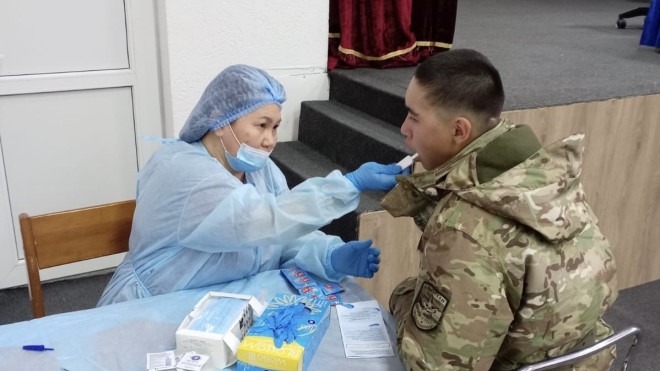
Military Personnel Receive HIV Testing as Part of National Information CampaignFrom 10 November to 10 December, Kazakhstan is conducting a nationwide information campaign titled “From Challenges to Change in the HIV Response.”
As part of this campaign, specialists from the Atyrau Regional Centre for HIV Prevention held an informational session with service members of the “Batys” Regional Command.
During the session, military personnel received clear explanations about HIV transmission, HIV prevention methods, the importance of HIV testing, and individual responsibility for maintaining their health.
“It is essential for service members to take a responsible approach to their health. Today, 50 individuals underwent rapid HIV testing during the session, demonstrating the effectiveness of prevention efforts,” noted Rashida Mukanova, a specialist from the Atyrau Regional Centre for HIV Prevention.
Such sessions help foster a culture of health among young people and military personnel, reduce HIV-related stigma, and strengthen accurate public understanding of HIV.
more »November 17, 2025
The “Happiness in Small Things” Initiative Brought Taldykorgan Residents Together in Support of the HIV ResponseA social initiative titled “Happiness in Small Things” was held in the city centre to mark World AIDS Day, under the theme “From Challenges to Change in the HIV Response.”
The event was organized by the Regional Centre for HIV Prevention of the Zhetysu Region with support from volunteer and youth organizations.
During the initiative, community members received consultations from specialists and informational materials on HIV prevention and the prevention of other sexually transmitted infections. To create a welcoming atmosphere, volunteers handed out small chocolate bars with symbolic messages — gentle reminders about the importance of safeguarding one’s health and showing care for others.
HIV is not a sentence — it is a health condition that allows people to live long, healthy and active lives with appropriate treatment and support.
Specialists emphasize that the earlier a person learns their HIV status, the more effective treatment can be and the better their quality of life. Initiatives like this one help people take the first step — get tested and learn the truth without fear or stigma. Dozens of volunteers and city residents took part in the event. Participants noted that such efforts help raise public awareness and dispel myths about HIV.
Experts from the Regional Centre for HIV Prevention reported a decrease in new HIV cases compared to the same period last year. Since the beginning of 2025, the Centre has conducted 134 information and outreach activities, reaching over 10,000 people — a result that demonstrates the effectiveness of ongoing prevention efforts.
more »November 14, 2025
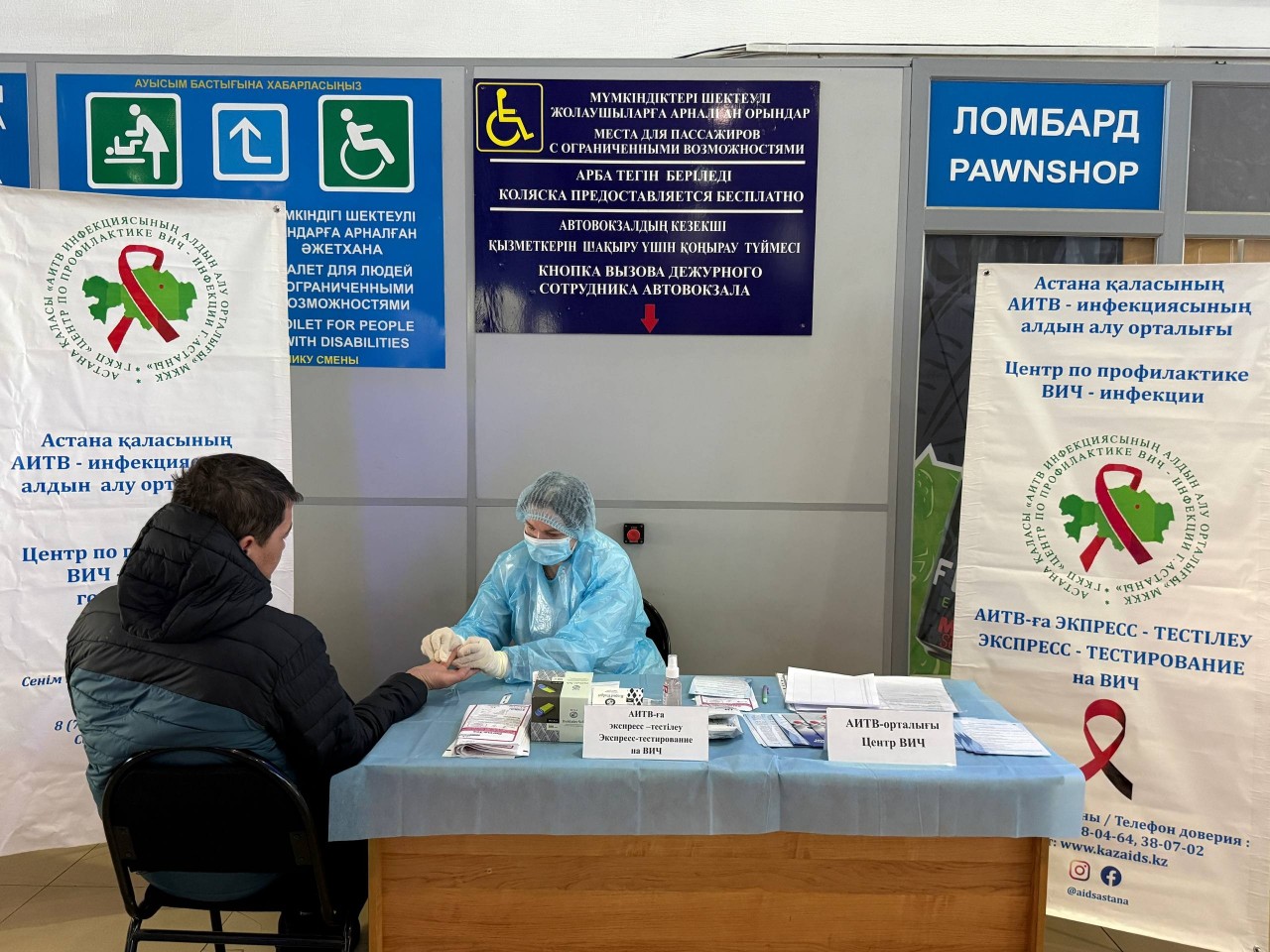
Action at the capital's bus stationAs part of the events dedicated to World AIDS Day under the motto «From challenges to transformations in response to HIV», on November 14, 2025, specialists from the Center for HIV Prevention held an action for residents and guests of the city at the Saparzhai bus station in the capital.
A special rapid testing facility was set up on the territory of the bus station, where everyone could quickly, confidentially and free of charge check their HIV status. In addition to testing, specialists provided consultations on HIV prevention measures and transmission routes, calling for a healthy lifestyle without risky situations.
The action aroused great interest among passengers who found themselves at the bus station that day. Many admitted that they had not participated in such events before, fearing condemnation, but convenience and anonymity became crucial factors.
«This is an opportunity not only to find out your status, but also to get useful information about your health. The more people know, the more effectively we can counter the HIV epidemic,» said epidemiologist G.E.Karatayeva.
The event became a vivid example of how important it is to convey to society a simple truth: knowing your HIV status is a step towards maintaining health and well-being. 31 people received consultation and rapid testing service.
more »