December 26, 2025

Training on Mandatory Social Health Insurance (OSMS): What Will Change in 2026
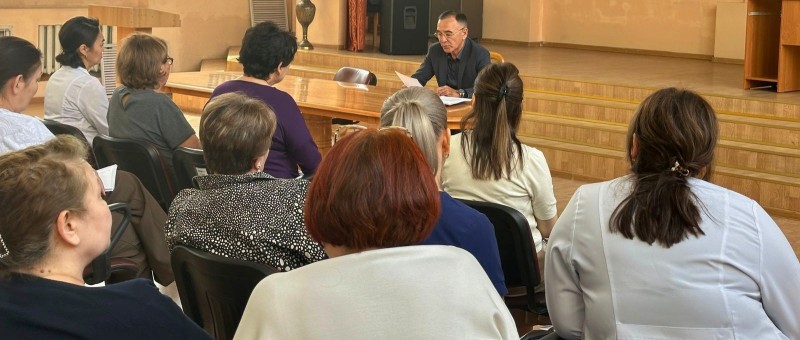
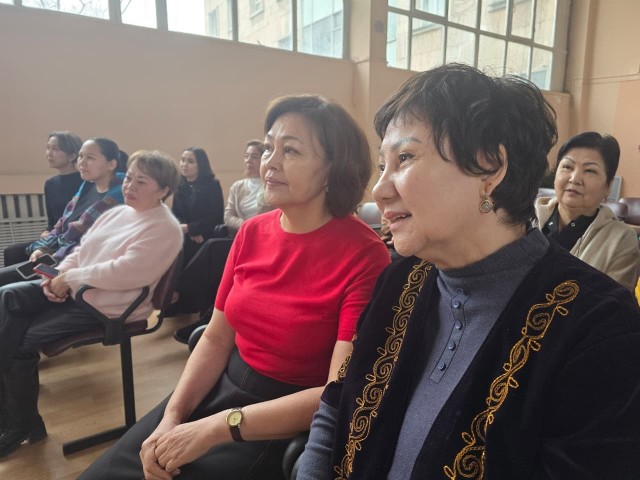
In 2026, new rules will come into effect in Kazakhstan's healthcare system. The changes will affect the Guaranteed Volume of Free Medical Care (GOBMP) and Mandatory Social Health Insurance (OSMS). A training seminar dedicated to this topic was held at the Akmola Regional Center for HIV Prevention. According to Deputy Chief Physician Saule Zhakanova, starting from January next year, Kazakhstan will begin the phased implementation of the Unified Medical Care Package, which will ensure: clear separation of GOBMP and OSMS with no duplication of services, increased accessibility of early disease prevention, expanded guarantees for the early detection of socially significant diseases, financial stability of the system through resource redistribution, and a move towards a full-fledged health insurance model. It should be noted that from January 2026, the GOBMP will include diagnostics for 11 socially significant diseases, including tuberculosis, chronic viral hepatitis and liver cirrhosis, mental and behavioral disorders, malignant neoplasms, acute myocardial infarction (first 6 months), rare diseases, epilepsy, strokes, and other severe conditions. We draw special attention to the fact that HIV diagnostics and treatment, as before, remain part of the GOBMP package and will be provided free of charge by the state. more »

December 26, 2025

Monitoring Visit to Mangystau Region
From December 22 to 26, specialists of the Kazakh National Center for Dermatology and Infectious Diseases (KNCDID) conducted a monitoring visit to medical organizations in the Mangystau Region. The purpose of the visit was to assess the quality of anti-epidemic, preventive, and diagnostic measures related to HIV infection, as well as the provision of medical services to people living with HIV and representatives of key populations. Particular attention was paid to issues of medication supply and the effectiveness of preventive measures to prevent vertical transmission of HIV. KNCDID staff visited the State Municipal Enterprise on the Right of Economic Management “Regional Perinatal Center,” the ReaMed Medical Center (Aktau), the SMA Medical Center (Aktau), and the Regional Center for HIV Prevention, and provided organizational and methodological support. The monitoring team analyzed the implementation of the target indicators of the Roadmap “On the Implementation of Measures to Prevent HIV Infection in the Republic of Kazakhstan for 2023–2026.” Based on the analysis, recommendations were prepared for the regional health department and the Regional Center for HIV Prevention regarding organization and financing in the following areas: preventive measures among key populations; HIV testing of the regional population; follow-up and continuous care for people living with HIV; professional development of healthcare workers; preparation of applications for the allocation of a state social order for NGOs. As a result of the monitoring visit, the need was noted to further strengthen preventive efforts, increase public awareness, and build the capacity of medical organizations to achieve the 95-95-95 targets. more »

December 24, 2025

The New Year Is Just Around the Corner
In the days leading up to the New Year, a festive children’s celebration was held at the Almaty City AIDS Center. The event was organized by the public foundation ResSocium in partnership with the AIDS Center and the public foundation Revansh. The children were welcomed by a beautifully decorated Christmas tree and, of course, Ded Moroz and Snegurochka. The animators did a wonderful job, creating a festive atmosphere for both children and their parents. The kids happily recited poems, sang songs, and danced. More than 50 children took part in the celebration, and each of them received a New Year’s gift. Thanks to caring and big-hearted people, the children were also treated to pizza, sweets, and drinks. The celebration gave the children not only gifts, but also sincere emotions, the joy of communication, and a sense of real New Year magic. On this day, every child felt the care and attention of adults. Parents noted the warm and welcoming atmosphere of the event and expressed their gratitude to the organizers for the opportunity to give their children joy and positive emotions on the eve of the New Year. more »

December 24, 2025

More than 93% of HIV patients in Zhetysu have a suppressed viral load
These results were achieved thanks to the joint efforts of governmental and non-governmental organizations within the framework of the UNAIDS campaign “From Challenges to Transformations in the HIV Response.” Today, HIV infection is no longer a death sentence. Thanks to advances in medicine, it has become a manageable chronic condition. Modern approaches to its treatment and prevention were discussed by Aiman Kaliyeva, Deputy Director of the State Institution “Department of Healthcare of the Zhetysu Region,” and Maral Matembayeva, Head of the Department of Disease Prevention and Public Relations at the Regional Center for HIV Prevention. According to the speakers, more than 93% of people living with HIV in Zhetysu who are receiving antiretroviral therapy have a suppressed viral load. The modern approach to treatment takes into account patients’ overall health, including the prevention of cardiovascular diseases, diabetes, and bone-related issues. When treatment regimens are properly followed, therapy effectiveness approaches 100%, and the life expectancy and quality of life of people living with HIV do not differ from those of people without the virus. The main task of the healthcare system is early detection and the immediate initiation of therapy. HIV treatment in Kazakhstan is accessible, safe, and effective. more »

December 22, 2025

Diabetes Mellitus – One of the Most Common Noncommunicable Diseases Worldwide
In Kazakhstan, around 500,000 people are living with diabetes mellitus. This condition requires not one-time treatment but continuous medical supervision, including laboratory tests, regular consultations, and treatment adjustments. Starting from 2026, the treatment and routine medical follow-up (dispensary observation) for people living with diabetes will be included in the Compulsory Social Health Insurance (CSHI) system. This means that all planned medical appointments, necessary examinations, and prescribed medications will be available at no additional cost, provided the person is insured under the CSHI system. To obtain insurance coverage, individuals must have paid contributions for 12 consecutive months.Self-paying participants contribute 4,250 KZT per month, or 51,000 KZT per year. You can check your insurance status through any of the following convenient tools: SaqtandyryBot on Telegram Social Health Insurance Fund website: msqory.kz Qoldau 24/7 mobile application eGov.kz website or eGov mobile app Mobile applications of selected commercial banks more »

December 19, 2025

Open Days at the Kazakh Scientific Center of Dermatology and Infectious Diseases
more »

December 19, 2025

Important update on the Compulsory Social Health Insurance (CSHI) starting in 2026
Beginning 1 January 2026, the CSHI benefit package will expand to include coverage for a wider range of chronic diseases ???? ✅ Conditions newly covered under CSHI: diabetes mellitus cerebral palsy rheumatic diseases systemic connective tissue disorders With this update, CSHI will cover most chronic diseases, except for 11 socially significant conditions that remain funded under the Guaranteed Volume of Free Medical Care (GVFMC): tuberculosis HIV cancer chronic hepatitis and liver cirrhosis mental disorders rare (orphan) diseases degenerative diseases of the nervous system demyelinating diseases of the central nervous system epilepsy acute myocardial infarction (for the first 6 months) stroke (within one year) All insured people will continue to have access to: — treatment — medical consultations — essential medicines More than 12 million people are already included in preferential categories whose insurance contributions are paid by the state. Starting in 2026, approximately 1 million more people in difficult life circumstances will be insured at the expense of local executive authorities. more »

December 19, 2025

Good news for people covered by the Compulsory Social Health Insurance (CSHI)
Starting from 2026, insured individuals will be able to retain their CSHI status even if they temporarily stop making contributions. From 1 January 2026, citizens who have paid CSHI contributions for at least five years will keep their insured status for six months, even in the event of a temporary payment interruption. These changes are especially important for those who: — have lost their job — are looking for new employment — are facing temporary financial difficulties. Previously, the insured status was retained for only three months. The new regulation allows continued access to health services within the CSHI system, even in the absence of temporary income. Once income is restored, individuals will be required to pay the outstanding contributions for the missed months as self-paying participants. more »

December 18, 2025

“Path to Safety” Campaign Held in Petropavlovsk
A social information campaign titled “Path to Safety” was held at the Rakhmet Shopping Center in Petropavlovsk in the format of an open consultation for city residents. Specialists from the North Kazakhstan Regional Center for HIV Prevention took part in the event. The campaign, organized by the Municipal State Institution “Youth Resource Center of the City of Petropavlovsk,” was conducted within the framework of the national program “Law and Order” and aimed to improve the legal and social awareness of the population. Specialists of the Regional Center for HIV Prevention, Assiya Sharipova and Raushan Yeserkenova, provided consultations to people of various age groups on HIV prevention issues. City residents also received consultations on social protection, banking services, cybercrime prevention, psychological support, and legal assistance. The campaign involved specialists from the following organizations: Municipal State Institution “Youth Resource Center of the City of Petropavlovsk”; Center for Analysis and Development of Interfaith Relations; JSC “Otbasy Bank”; Cybercrime Prevention Department; North Kazakhstan Regional Center for HIV Prevention. Informational brochures were prepared and distributed to visitors. A total of 70 brochures were handed out. Oksana Simukhina, a representative of the North Kazakhstan Regional Center for HIV Prevention, noted: “Most of our activities are traditionally aimed at adolescents and young people. However, such campaigns make it possible to reach the adult population, provide important information, and answer their questions directly.” Holding open consultations contributes to strengthening the prevention of offenses and increasing public awareness of personal and public safety and health measures. more »

December 17, 2025

Choosing Health: HIV Prevention Among Youth
On December 17, 2025, in the Karasai District, in the village of Zhibek Zholy, an information and educational seminar titled “Youth for Health and a Future Without HIV!” was held for students of grades 8–11 at the secondary schools named after B. Momyshuly, A. Baitursynuly, and Y. Altynsarin. A total of 722 students and 46 teachers took part in the seminar. During the meeting, students were provided with detailed and accessible information about the routes of HIV transmission, ways to reduce the risk of infection, sexually transmitted infections, as well as the importance of timely testing and developing a responsible attitude toward their own health. The main goal of the event was to foster among adolescents a reliable, open, and informed understanding of issues related to HIV and other infectious diseases. As global experience shows, knowledge and awareness are the most effective tools for prevention. Special attention was given to dispelling myths about HIV. “HIV infection has no social boundaries — it can affect anyone. Therefore, it is crucial to cultivate a responsible attitude toward health among adolescents, develop safe behavior skills, and increase awareness of reproductive and mental health issues,” emphasized N. Kassymov, an epidemiologist at the AIDS Center. HIV prevention is a shared responsibility of the healthcare and education systems, parents, and young people themselves. Such events in the Almaty Region contribute to raising adolescents’ awareness and fostering strong motivation to maintain good health. more »